The Untold Narratives: Exploring “Blessings from the Four Winds” and Authentic Old West Stories
Key Takeaways
- Authentic Old West stories provide a more accurate and complete view of frontier history.
- They highlight diverse and often underrepresented voices and experiences.
- Works like Blessings from the Four Winds deepen understanding of resilience and cultural complexity.
- Inclusive narratives challenge traditional stereotypes and enrich Western literature.
- Engaging with these stories strengthens historical awareness and appreciation of the past.
Why Are Authentic Old West Stories Important?
The stories of the American frontier are a vital thread in the tapestry of U.S. history. Authentic narratives, especially those rarely seen in movies or mainstream books, provide a transformative lens through which we can understand the depth and diversity of frontier life. Immersing yourself in genuine accounts allows you to appreciate the lived experiences, values, and adversities of the era. Those searching for the best books about American Old West will find that authentic stories do more than entertain; they challenge stereotypes and offer a voice to communities often forgotten by popular media.
Romanticized depictions have long dominated Western genre portrayals, typically focusing on cowboys, outlaws, and sheriffs from a singular perspective. However, true stories rooted in family history or historical research help to correct this imbalance. Such literature expands our collective memory, acknowledging the multicultural realities and complexities of the Old West that shaped the country’s evolution.
What Makes “Blessings from the Four Winds” Stand Out?
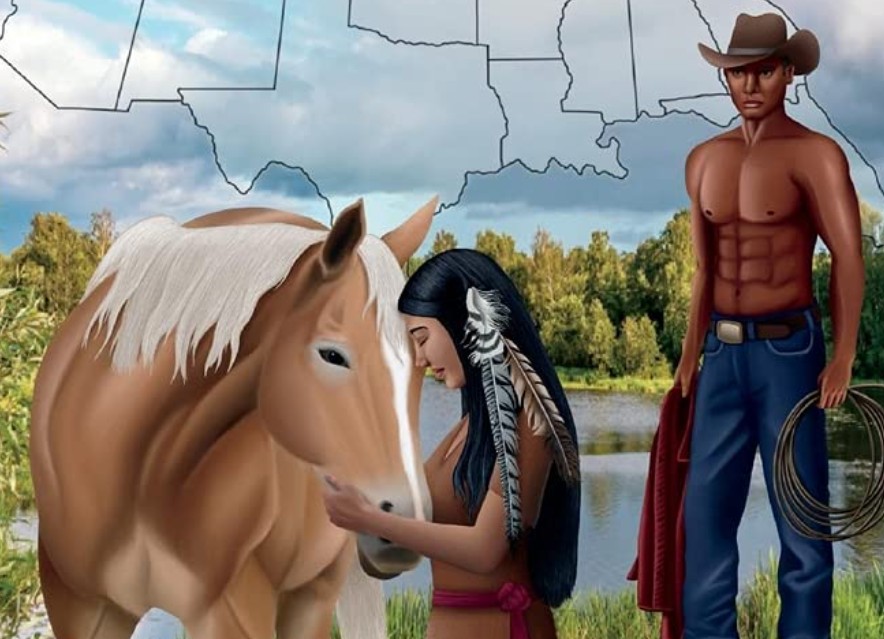
“Blessings from the Four Winds,” a novel by Syvila Weatherford, stands apart for its heartfelt storytelling inspired by real-life accounts. The book is set in 1885 and traces the journey of a young Black cowboy who participates in cattle drives from Waco, Texas, to Dodge City, Kansas. Narrated with remarkable emotion and sincerity, the story is a tribute to the author’s great-grandfather, weaving familial legacy with broader historical truth. The main character’s journey brims with authentic details about the challenges faced by African Americans in the frontier, offering readers a refreshing and necessary perspective on the cowboy mythos.
This novel refuses to gloss over adversity. Instead, it brings to the forefront stories of resilience, camaraderie, and determination. The protagonist’s journey is not merely one of personal growth but also an exploration of communal bonds and the shared struggles among diverse groups who shaped the Western experience.
How Does the Novel Address Cultural Diversity?
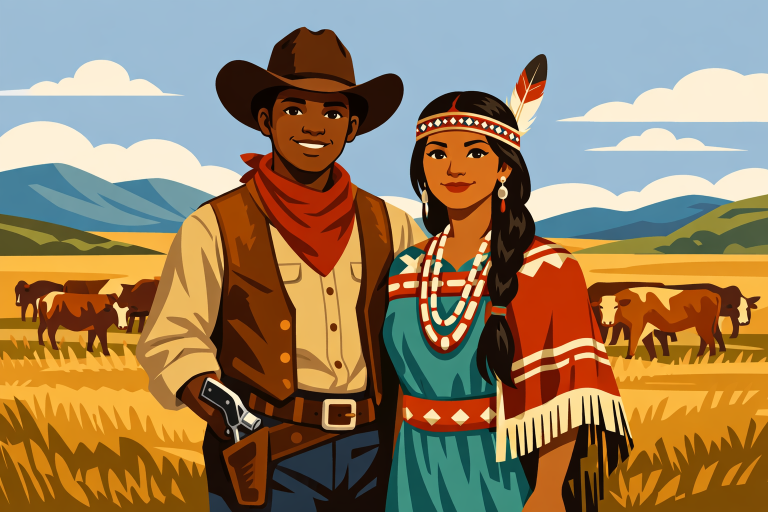
One of the most compelling aspects of “Blessings from the Four Winds” is its unsparing portrayal of cultural diversity in the Old West. The story features a significant relationship between the Black cowboy protagonist and a Choctaw woman, highlighting the close, though often complicated, ties between African American and Native American communities. As the characters navigate personal trials, their story illuminates the intersections of race, culture, and survival in a harsh and changing landscape. The novel draws attention to the cultural mosaic that defined the American frontier, refuting the narrow focus seen in traditional Western literature.
What Historical Elements Are Portrayed?
Weatherford’s dedication to historical accuracy is apparent throughout the narrative. Readers are taken along on arduous cattle drives, faced with the dangers and intricacies of Red River crossings, and witness the evolving power dynamics of growing frontier towns. The challenges of cattle drives and the transformation of settlements like Dodge City ground the reader in the realities of 19th-century life. For further exploration of African American history in the West, reputable sources such as Smithsonian Magazine provide an excellent supplement to the themes found in Weatherford’s work.
How Does “Blessings from the Four Winds” Compare to Other Old West Literature?
Many stories centered on the Old West spotlight Euro-American perspectives, leaving little room for narratives featuring marginalized voices. In contrast, “Blessings from the Four Winds” expands the scope of Western literature by centering the experiences of African American and Native American characters. This approach aligns the novel with a recent push for diverse storytelling in historical fiction, echoing the intentions behind works like “Empire of the Summer Moon” by S.C. Gwynne, which delves into the history and legacy of the Comanche tribe.
What Are the Critical Acclaim and Reader Responses?
“Blessings from the Four Winds” has earned accolades for its meticulous character development and authentic storytelling. Both critics and readers praise the novel’s ability to intertwine immersive personal narratives with the broader sweep of historical forces. The book’s honest exploration of identity, prejudice, and hope has cemented its place as a significant contribution to Western literature, inviting readers to rethink conventional ideas about the era.
Frequently Asked Questions
- Is “Blessings from the Four Winds” based on true events?
- Yes. The novel draws directly from the author’s family history, grounding its dramatic and emotional arcs in the realities of African Americans and multicultural communities during the late 19th century.
- Does the book explore themes beyond the love story?
- Absolutely. While the central love story is compelling, the narrative delves deeply into themes of cultural identity, societal transformation, and the personal and collective challenges of life on the frontier.
- Is there a sequel to the novel?
- Yes. The sequel, “Smoke On The Wind,” continues the journey, focusing on the protagonist’s pursuit of land and participation in the historic Oklahoma Land Run of 1889.
“Blessings from the Four Winds” stands as a unique and vital contribution to American Western literature, offering a window into the authentic experiences and connections that defined the Old West.
Conclusion
Authentic Old West stories are essential for a fuller understanding of frontier history, moving beyond romanticized views to showcase diverse experiences, particularly of overlooked communities. Works like “Blessings from the Four Winds” reveal how historical fiction based on real accounts enhances appreciation of resilience and cultural complexity. By challenging traditional narratives, such literature enriches Western storytelling and promotes stronger historical awareness, encouraging readers to engage with inclusive accounts for a deeper understanding of the past and its varied identities.