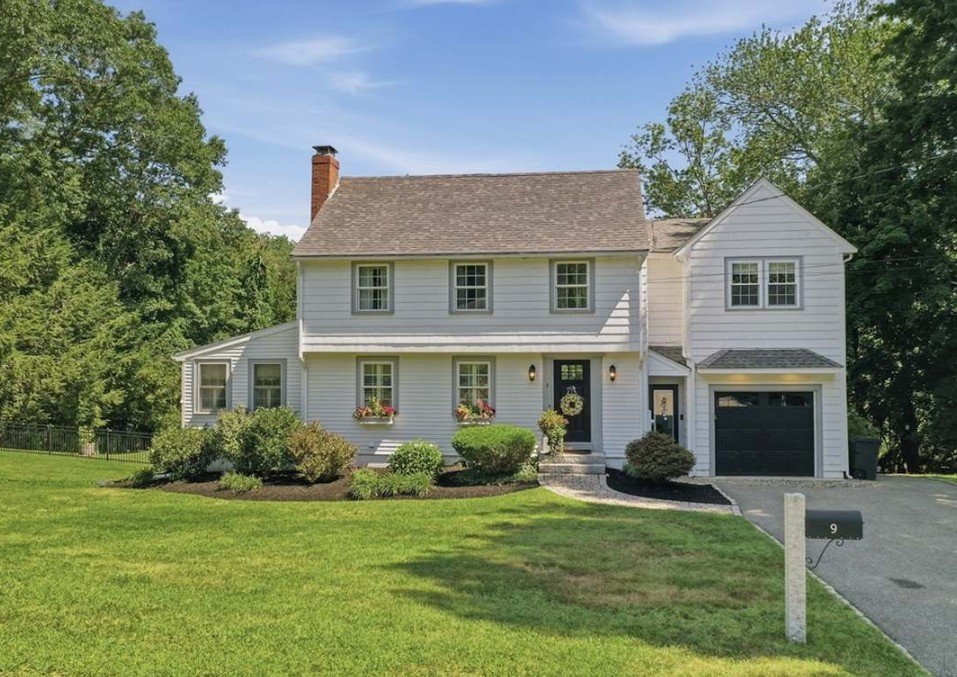
How To Compare Homes, Costs, And Daily Life Before Buying In Lynnfield, MA
Key Takeaways
- Compare the total cost of ownership, including taxes, utilities, maintenance, insurance, and repairs, not just the listing price.
- Evaluate homes based on location, layout, major systems, and how well they support your daily routine and future needs.
- Verify property details, review inspection findings, and use a consistent comparison process before making an offer.
- The best Lynnfield home is the one that balances budget, practicality, comfort, and long-term value.
Buying a home in Lynnfield involves more than finding a listing with the right number of bedrooms or an appealing asking price. Two homes that seem similar on paper can create very different monthly costs, maintenance demands, and routines. One may have lower taxes, but need a roof soon. Another may have a more practical location, newer systems, and a layout that works better for everyday life. When beginning the search, homes for sale in Lynnfield, MA, from Evelyn Rockas can be a helpful local starting point for reviewing available properties. The search page focuses on Lynnfield real estate and allows buyers to compare active listings before arranging showings. Evelyn Rockas serves buyers exploring Lynnfield and nearby North Shore communities, making the resource especially useful for those who want to evaluate local homes in line with their preferred location, budget, and lifestyle needs.
Look Beyond The Listing Price
The asking price is important, but it is only one part of the ownership picture. A useful comparison includes the home itself, its location, expected monthly expenses, and the work it may require after closing. This approach helps buyers avoid choosing a house based only on finishes, staging, or the lowest price. For example, a less expensive home may need major updates within a few years, while a slightly more expensive home could have a newer roof, more efficient heating equipment, and a shorter daily drive. The better value is often the property that fits the whole picture, not simply the one with the lowest initial number.
Set A Practical Buying Budget
A lender can tell you how much you may be approved to borrow, but your own budget should determine what feels comfortable. Start with the estimated mortgage payment, then add the costs that continue long after closing:
- Property taxes and homeowners’ insurance
- Electricity, heating, cooling, water, and internet service
- Routine maintenance, landscaping, snow removal, and repairs
- Possible condominium or homeowners association fees
- A reserve for unexpected expenses, such as appliance replacement or plumbing repairs
Ask for a current loan estimate before becoming too attached to a particular price range. A realistic budget should leave room for savings, activities, travel, and normal household expenses. The maximum loan amount and the payment that supports a comfortable life are not always the same.

Compare Features That Affect Daily Life
Focus On Function Before Finishes
Fresh paint and renovated kitchens are easy to notice, but the features you use every day usually matter more. Consider whether the floor plan supports remote work, guests, hobbies, children, pets, or changing needs over time. A spare bedroom, finished basement area, or flexible den can add meaningful value when it genuinely serves your household.
- Layout: Consider traffic flow, bedroom placement, bathroom access, and usable living space.
- Storage: Check closets, basement space, attic access, pantry capacity, and garage storage.
- Outdoor space: Look at grading, privacy, fencing, drainage, and the amount of upkeep the yard may require.
- Major systems: Ask about the roof, heating equipment, cooling system, windows, electrical panel, and water heater.
- Future flexibility: Think about whether rooms can change purpose as your needs change.
Review Taxes And Water Costs
Taxes should be verified for each property rather than estimated based on an older listing. They can change with assessed value, tax rates, and other local factors. The town’s Lynnfield property tax information page lists a Fiscal Year 2026 residential tax rate of $11.46 per $1,000 of assessed value. Confirm the current bill, assessment, exemptions, and payment schedule directly as part of your due diligence. Water service deserves a separate review because Lynnfield has two water districts. Confirm which district serves the home, how charges are collected, whether a district tax appears separately, and what the typical billing schedule looks like. Ask about current rates, irrigation use, planned work, and any costs that could affect ownership over time.
Study The Location As Part Of The Home
A home can be attractive inside and still be a poor fit if the location complicates your routine. Test the drive to work, schools, shopping, medical care, and major roads at the times you would actually travel. Visit more than once, including during morning traffic, evenings, and weekends. During those visits, pay attention to traffic flow, street noise, sidewalks, street lighting, parking, drainage, and nearby outdoor spaces. It is also wise to review available town information about nearby development or public projects. A location that works now and remains practical as your routine changes can be an important part of long-term satisfaction.
Use Listings And Showings Wisely
Online listings are useful for comparing price, square footage, lot size, age, and property type. They are a starting point, not a final answer. Verify measurements, included items, exclusions, tax details, lot boundaries, and property condition through showings, disclosures, public records, and professional guidance.
Questions To Ask At A Showing
- How old are the roof, heating system, cooling equipment, and water heater?
- Have there been repairs, insurance claims, water intrusion, or drainage issues?
- What appliances, fixtures, or personal property will remain?
- Are there easements, shared driveways, wetlands, or boundary questions?
- What have utility costs been during different seasons?
- Are there association rules, fees, or upcoming assessments?
Treat The Inspection As A Decision Tool
A home inspection can identify visible concerns involving accessible structural components and major systems, but it is not an appraisal, warranty, code review, or guarantee against future repairs. Buyers should understand their inspection contingency before making an offer and should attend the inspection when possible. Massachusetts provides an overview of residential home inspections, including consumer protections and inspection requirements.
When reviewing the report, separate urgent safety concerns and expensive near-term repairs from ordinary maintenance items. Every home has imperfections. The important question is whether the condition, expected costs, and remaining uncertainty are acceptable for your budget and plans.
Build A Simple Comparison Scorecard
After each showing, give the property a rating from 1 to 5 in the same categories. This does not replace professional advice, but it can make trade-offs easier to see when emotions are running high.
- Monthly cost: Payment, taxes, insurance, water costs, and expected upkeep.
- Condition: Age and apparent condition of major systems and surfaces.
- Location: Commute, convenience, traffic, surroundings, and neighborhood feel.
- Layout: Current comfort, storage, and flexibility for future needs.
- Resale flexibility: Lot appeal, parking, floor plan, and broad buyer appeal.
Make The Final Choice With The Whole Picture In Mind
A strong buying decision is rarely based on a single feature. Avoid focusing only on the lowest price, the newest kitchen, or an online estimate. Instead, compare several homes consistently, verify ownership costs, examine major systems, and understand the inspection terms before moving forward. The right Lynnfield home may not be the largest, newest, or least expensive option. It should be the home that supports your daily routine, fits your comfort level, and leaves you prepared for the responsibilities of ownership.
Conclusion
Buying a home in Lynnfield is about balancing lifestyle, long-term costs, and property condition rather than focusing on the listing price alone. A thoughtful comparison of ownership expenses, location, major systems, taxes, and everyday functionality can reveal which home offers the strongest overall value. Visiting neighborhoods, reviewing inspection findings, and confirming local costs before making an offer can also help reduce surprises after closing. The best Lynnfield home is not necessarily the newest or the least expensive. It is the one that fits your budget, supports your daily routine, and provides the flexibility, comfort, and long-term value you need for the years ahead.