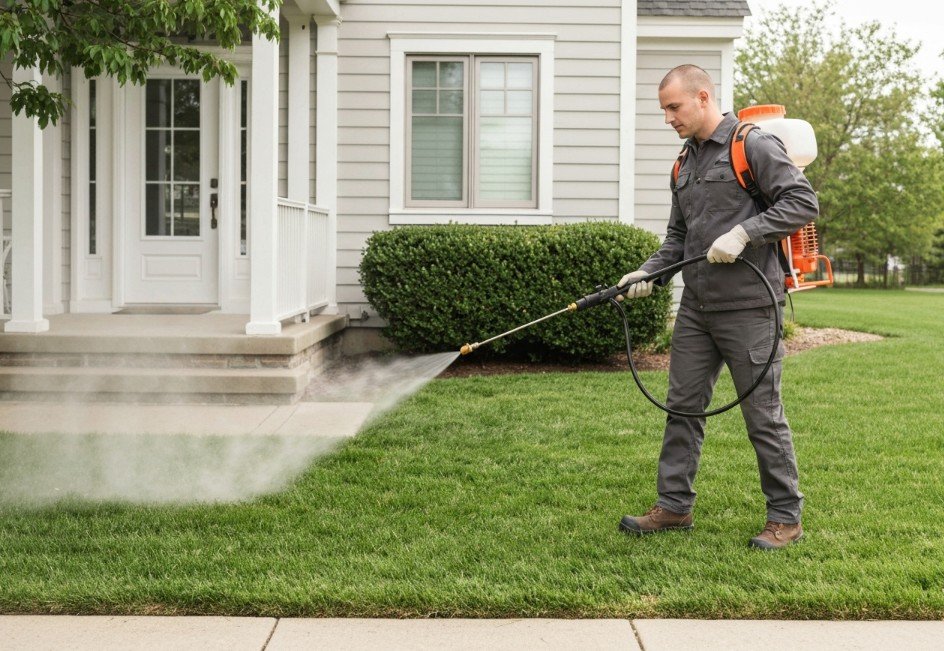
How to Assess Your Home’s Defenses Against Pests: Practical Steps
Key Takeaways
- Regular inspections help you spot and fix weaknesses in your home’s defenses.
- Sealing gaps and cracks blocks pests from gaining entry.
- Cleanliness and proper food storage deter a majority of pests.
- Outdoor maintenance prevents pests from nesting near your house.
- Recognizing infestation signs allows quick and decisive action.
- Moisture management is critical for discouraging insects and rodents.
- Professional services are invaluable for thorough, long-term solutions.
Ensuring your home is protected from pests is vital for maintaining a healthy, comfortable environment. If pests find a way inside, they can cause structural damage, contaminate food, and introduce health risks that endanger your loved ones. This guide explores practical, effective steps to evaluate and reinforce your home’s pest defenses. Discover proven strategies and reputable services at pointepest.com to bolster your control efforts from the start.
Proactive pest management keeps infestations at bay and can prevent headaches further down the line. By integrating easy-to-follow routines into your home care schedule, you can protect your property and everyone who lives there. Whether you want practical tips for daily upkeep or advanced solutions for chronic problems, a comprehensive approach is necessary for robust protection against common pests.
Conduct Regular Home Inspections
Inspecting your home frequently is the first line of defense against unwanted intruders. Begin by carefully checking for cracks in exterior and interior walls, gaps around windows and doors, and points where utility lines enter your home. Even small holes could be exploited by pests. For example, rats can fit through a gap as small as a pen, which underlines the importance of paying close attention to the tiniest spaces. Regular inspections can catch emerging vulnerabilities before they become major issues.
If you aren’t sure what to look for or how often to perform inspections, start with monthly exterior checks and quarterly deeper looks inside basements, attics, and crawlspaces. Document any changes or new cracks you observe so you can act before pests use them as entry points.
Seal Entry Points
When you find gaps or cracks, immediate action is essential. Use high-quality caulk, expanding foam, steel wool, or weather-resistant sealants to seal up identifiable entry points. Focus particularly on areas where cables, pipes, or vents come inside. These locations often present easy opportunities for pests to get in if not properly sealed. Ensuring all doors and windows have well-fitted screens and undamaged weather stripping can further safeguard your home from insects and rodents alike.
Maintain Cleanliness
Cleanliness dramatically reduces the risk of infestation. Sweep, vacuum, and mop regularly to remove crumbs and food residue. Pay extra attention to kitchen corners, under cabinets, and behind appliances where debris tends to collect. In dining and food preparation areas, wipe surfaces after every use, and never leave dirty dishes out overnight. Clutter can also provide hiding spots for pests, so regular tidying up throughout your home will make it harder for unwanted guests to settle in.

Store Food Properly
Properly storing food is one of the most effective deterrents against pests. Store pantry staples, pet food, and treats in airtight containers. Avoid leaving food, including fruit or baked goods, on counters for extended periods. Secure all garbage in tightly closed bins, and take trash out frequently to keep odors from attracting pests to your home (Good Housekeeping).
Manage Moisture Levels
Many unwelcome pests, like cockroaches and silverfish, prefer moist environments. Fix leaky pipes, faucets, roofs, or appliances as soon as issues arise. Make use of dehumidifiers in damp-prone areas like basements and laundry rooms, and add exhaust fans to bathrooms and kitchens to keep humidity in check. Drier environments are far less welcoming to most pests and can prevent insect populations from taking hold.
Maintain Outdoor Areas
The condition of your yard and surrounding outdoor spaces also matters. Keep vegetation, shrubs, and tree branches trimmed away from your home to eliminate paths for pests. Clear away leaf piles, debris, or mulch buildup that pests could use for hiding. Remove standing water from gutters, flowerpots, and birdbaths to reduce mosquito breeding areas. Store firewood at least 20 feet from your house and off the ground to deter termites and rodents from nesting nearby.
Recognize Signs of Infestation
Identifying an infestation early can make all the difference. Watch for clear signs, including droppings, gnaw marks on furniture or food packages, discarded wings, or strange noises in walls, especially at night. Regularly inspect items and spaces that are seldom used, as pests often seek out quiet, undisturbed areas.
Seek Professional Assistance
DIY efforts are very effective for minor problems, but persistent or large-scale infestations may require professional help. Pest control experts offer detailed inspections, accurate identification of pest species, and safe, targeted treatments. They also provide tailored recommendations for long-term prevention that cater specifically to your environment. Regular maintenance services can dramatically reduce the risk of future infestations and are worth considering for peace of mind.
Taking a proactive, layered approach to pest defense is the best way to keep your home safe, clean, and comfortable year-round. With regular maintenance and timely intervention, you can reduce risks and avoid costly pest problems in the future.