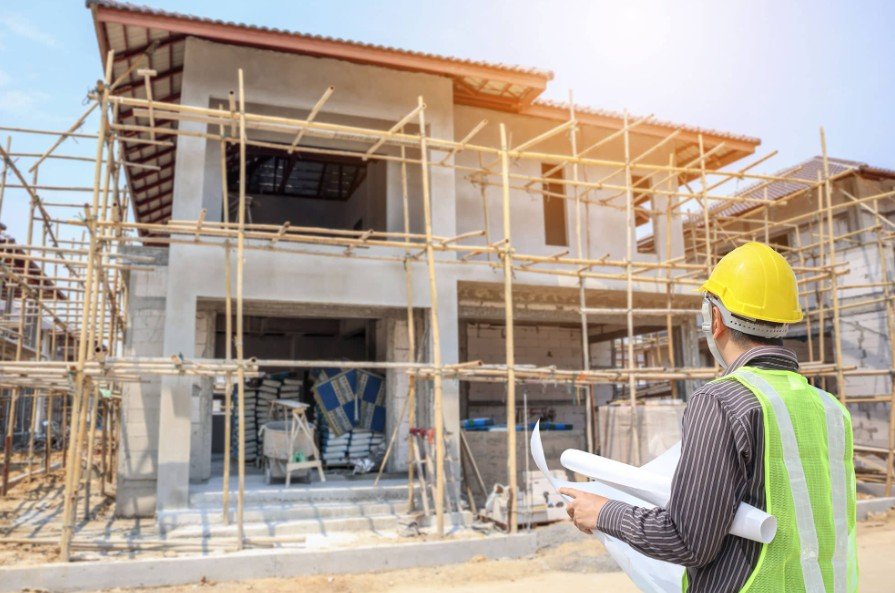
2026 Residential Construction Trends: Growth, Challenges, and Market Shifts
Table of Contents
- Single-Family Construction Growth
- Multifamily Construction Decline
- Material Preferences: Dominance of Wood Framing
- Regional Developments and Market Dynamics
- Housing Affordability Challenges
- Remodeling Trends Amidst New Construction Challenges
- Future Outlook: Anticipations for 2027
In 2026, the residential construction industry navigated a landscape shaped by ongoing economic pressures, shifting material preferences, and evolving regional dynamics. These trends influenced homeowners, builders, and industry leaders as they adapted their strategies for success and resilience. For those seeking professional local insight and expertise, exploring construction services in Maryland can be a valuable starting point in understanding regional nuances and best practices. Industry reports and on-the-ground observations suggest a year marked by innovation and adaptation. Builders contended with high borrowing costs and scarce inventory, while buyers searched for affordable options amid inflationary pressures. Understanding these trends not only helps stakeholders navigate the current market but also prepares them for what lies ahead as the industry continues its transformation.
Single-Family Construction Growth
Despite elevated mortgage rates and stricter lending standards throughout 2026, single-family housing construction continued to grow nationwide. This expansion was primarily fueled by a persistent shortage of existing home inventory, which motivated more buyers to look toward newly built properties. According to the National Association of Home Builders, single-family housing starts rose by 3.3% in December, amounting to an annualized rate of 1.05 million units. For more details, visit the National Association of Home Builders. Expanded subdivision development in suburban and exurban markets also contributed to the increase in single-family starts. Many builders focused on flexible floor plans that accommodated multigenerational families or offered dedicated home-office spaces. These customizable designs aim to attract a wider range of buyers, including those seeking more adaptable living arrangements. In addition, an increasing number of single-family homes are being constructed with smart technology, allowing homeowners to manage energy consumption and security from their mobile devices, which is becoming an expected feature for modern homes.
Multifamily Construction Decline
In contrast, the multifamily construction sector experienced a downturn. This segment grappled with tight financing conditions and a glut of apartments still under construction, reaching levels last seen in 1973. These factors led to a significant reduction in new multifamily housing starts, emphasizing a notable divergence between the single-family and multifamily markets. Developers have responded to these challenges by shifting their attention to repositioning existing units and introducing value-added amenities rather than pursuing large-scale new construction. Some metropolitan areas have emphasized retrofitting older multifamily buildings with energy-efficient upgrades, improved communal spaces, and advanced security systems. Others focus on opportunities in urban infill developments or smaller-scale boutique apartment projects that serve segments of the population seeking alternative, more flexible rental options. This strategic pivot is enabling firms to maintain occupancy rates and remain competitive despite a risk-averse lending environment.
Material Preferences: Dominance of Wood Framing
The preference for wood framing continued to define the U.S. single-family home market. In 2026, wood-framed houses accounted for 94% of all completed homes, marking a 3% increase from the prior year. The share of concrete-framed homes held steady at 5%, while steel-framed homes remained a minor niche. The resiliency and cost-effectiveness of wood continue to make it the preferred material in many regions. Builders report that continued investment in engineered wood products has allowed them to meet evolving safety codes and durability demands. Efforts to source lumber from sustainable forests have grown in importance, with industry certifications increasingly highlighted in marketing materials. Concrete, often used in hurricane-prone regions and custom home builds, is attracting attention for its energy efficiency and resilience to climate extremes, which may usher in greater regional variation in future framing choices.
Regional Developments and Market Dynamics
Regional performance varied, influencing both construction volume and buyer demand. Metro Atlanta, for example, experienced an 11% increase in single-family housing starts, pointing toward renewed activity in markets that had been stagnant. Builders in areas with elevated interest rates have responded by offering incentives such as lower initial mortgage rates and more bespoke design choices. These developments show how local factors and creative builder solutions shape the broader national narrative. The South and West regions led national growth, benefiting from population influxes driven by employment opportunities and lower relative costs of living. Conversely, certain high-cost coastal markets saw fewer new construction permits, as affordability challenges deterred both buyers and developers. Regional adaptation continues with partnerships between public agencies and private builders to address infrastructure needs and streamline project approvals, generating optimism for an uptick in housing supply over the next year.
Housing Affordability Challenges
Affordability remained a central challenge during 2026. The U.S. continued to face a deficit of 1.5 million homes, a lingering consequence of the significant underbuilding that followed the last recession. This housing gap, combined with persistent inflation and rising interest rates, limited many prospective buyers’ options. Data from Realtor.com shows that affordability concerns have become equally urgent in both urban and suburban markets.
Initiatives to promote affordable housing, such as government-backed lending and down-payment assistance programs, gained traction as homebuyers struggled to secure financing. Nonprofit organizations also played a more prominent role, acquiring land for low-cost development and advocating for zoning reform. In some locales, municipalities introduced creative incentives, like expedited permitting and tax breaks, to stimulate affordable housing construction and provide relief to first-time buyers facing daunting entry barriers.
Remodeling Trends Amidst New Construction Challenges
As buying new homes became less attainable for some, the remodeling sector saw robust growth. Homeowners increasingly invested in upgrades aimed at energy efficiency, expanded outdoor living, and modernized home offices. These improvements allowed them to stay in their existing homes while enhancing the quality of life and adapting to changing needs, such as remote work. This remodeling trend is likely to persist as economic factors continue to impact new home purchases into 2027. Kitchen and bathroom renovations continued to lead remodeling priorities, with an increased emphasis on healthy materials, low-VOC finishes, and smart appliances. The demand for outdoor living areas, including decks and patios, rose as families prioritized flexible spaces for entertaining and relaxation. Contractors noted a shift toward phased renovation projects, smaller, incremental improvements completed over several years, enabling more homeowners to afford upgrades without overextending their budgets. Accessory Dwelling Units (ADUs) are gaining popularity as a way to accommodate extended family or generate rental income, further bolstering the remodeling market.
Future Outlook: Anticipations for 2027
Looking ahead, builders and buyers are preparing for another year that will require adaptability and strategic planning. Ongoing challenges include continued high material costs, labor shortages, and evolving consumer preferences toward affordable, sustainable housing solutions. There is a significant opportunity in alternative markets such as townhouse communities and the built-for-rent segment, which are expected to see increased demand as affordability issues linger. Technological innovation is also poised to accelerate, with modular construction, 3D printing, and prefabricated component systems gaining traction as solutions to supply chain and labor constraints. Market watchers anticipate more partnerships between tech startups and construction firms, seeking to cut costs and compress project timelines. Sustainability will remain a driving force, encouraging adoption of net-zero energy standards and low-carbon construction methods as both regulatory and consumer expectations evolve. As 2027 nears, the ability to blend adaptability, efficiency, and eco-consciousness will be essential for industry leaders aiming to succeed in a competitive landscape.
Conclusion
In summary, 2026 was a year defined by industry resilience, adaptation, and steady recovery across the housing sector. Market participants navigated shifting economic conditions by embracing innovation, data-driven decision-making, and more flexible investment strategies. By closely monitoring emerging trends such as interest rate movements, supply chain adjustments, and changing buyer preferences, stakeholders were able to make more informed and strategic choices. These adaptations helped strengthen long-term confidence and market stability despite ongoing uncertainties. Looking ahead, the lessons learned in 2026 will play a crucial role in shaping future planning and development strategies. By continuing to adjust approaches in response to evolving conditions, stakeholders will be better positioned to thrive in the dynamic housing market as 2027 approaches and well into the years beyond.