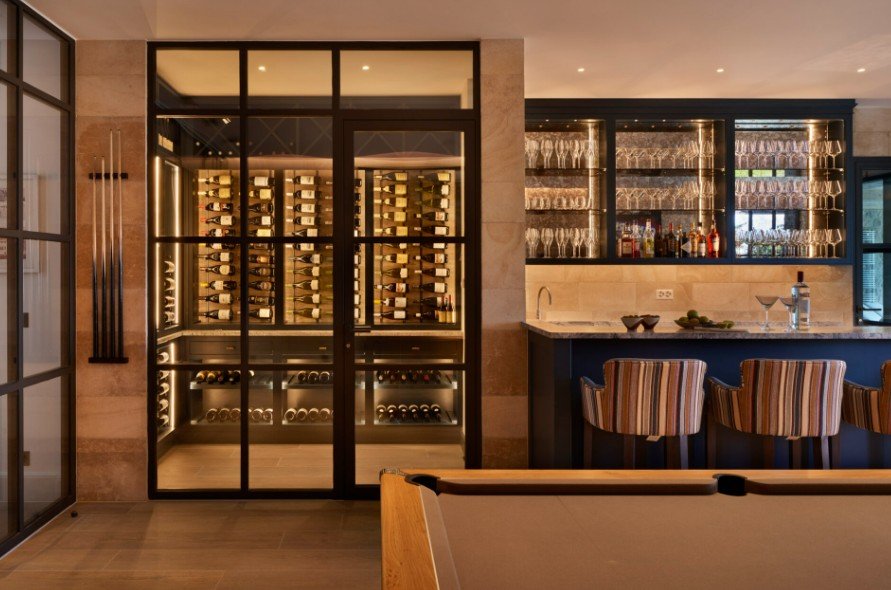
Wine Bar Design for Small Space: 20 Stylish Ideas to Maximize Your Area
A well-planned wine bar design for small space interiors combines functionality with visual appeal. Instead of trying to fit a full-sized bar into a limited area, focus on creating a compact setup that serves your needs without making the room feel crowded.
Whether you live in a small apartment, have an unused kitchen corner, or want to transform part of your dining room, there are plenty of creative ways to make it work. You can use floating shelves, a narrow bar cabinet, a compact countertop, or even a stylish bar cart.
The secret is to make every inch count while maintaining a cohesive design. Here are 20 practical and stylish small wine bar ideas to inspire your home project.
1. Create a Small Wine Bar in an Unused Corner
One of the easiest ways to add a wine bar to your home is by transforming an unused corner into a functional beverage station.
Look for an area near the dining room, kitchen, or living room where a compact cabinet or narrow console table can fit comfortably. A small piece of furniture can provide enough room for bottle storage, glassware, and a few decorative accessories.
To make the corner feel intentional, add a framed artwork, a small mirror, or a decorative backsplash behind the bar. You can also install a pair of floating shelves above the countertop.
Choose furniture that matches the surrounding interior. A wooden cabinet creates a warm atmosphere, while a black or white finish may suit a modern home.
2. Install Floating Shelves for Wine Storage
Floating shelves are an excellent solution when floor space is limited. They use vertical wall space while keeping the room visually open.
You can install two or three shelves above a small countertop to display selected bottles, glassware, and decorative objects. Arrange the items carefully so the shelves remain attractive rather than overcrowded.
Wooden floating shelves work beautifully in rustic and contemporary interiors. Metal shelves can create a more industrial appearance, while simple white shelves blend easily with minimalist decor.
Before installation, check the wall construction and use appropriate brackets and mounting hardware. Remember that wine bottles and glassware can be surprisingly heavy, so the shelves must be securely supported.
For long-term wine storage, use a suitable wine rack or cabinet rather than leaving bottles in decorative display positions that may not provide appropriate storage conditions.
3. Choose a Compact Wine Bar Cabinet
A dedicated wine bar cabinet is one of the most practical furniture choices for a small home. It provides organized storage while keeping bottles, glasses, and accessories in one place.
Look for a cabinet with a relatively narrow profile, adjustable shelving, and compartments designed for different items.
Some cabinets include built-in wine racks, glass holders, drawers, and small serving surfaces. These features help maximize storage without requiring additional furniture.
A cabinet with doors is particularly useful if you prefer a tidy appearance. It allows you to hide accessories and supplies when the bar isn’t being used.
For a cohesive interior, choose a finish that complements your existing dining table, kitchen cabinets, or living room furniture.
4. Design a Modern Minimalist Wine Bar
Minimalist wine bar design focuses on clean lines, simple furniture, and carefully selected accessories. It’s a great option for small spaces because it avoids unnecessary visual clutter.
Start with a compact cabinet in black, white, beige, or natural wood. Add a simple countertop and a small selection of glassware.
Instead of displaying every bottle and accessory, choose a few items that contribute to the overall appearance. A framed print, small decorative vase, or understated pendant light can complete the arrangement.
Keep the color palette consistent with the rest of the room. Neutral colors and simple finishes help the wine bar blend naturally into a modern home.
Minimalism doesn’t mean sacrificing functionality. Hidden storage, organized drawers, and well-designed shelving can make the area both attractive and practical.
5. Use a Bar Cart for Flexible Storage
A bar cart is an excellent choice when you don’t want to commit to permanent furniture or a built-in installation.
Its compact design makes it suitable for apartments, dining rooms, and small living spaces. You can move it whenever necessary, which is particularly useful when entertaining guests.
Choose a cart with multiple levels to separate bottles, glassware, and serving accessories. Some designs also include wine bottle holders and small drawers.
Metal bar carts with glass shelves create a sophisticated look, while wooden carts add warmth and character.
Avoid placing too many items on the cart. A well-organized arrangement is easier to use and looks more elegant.
6. Turn a Kitchen Nook into a Wine Bar
If your kitchen has an unused nook or a small section of counter space, it may be the perfect location for a compact wine bar.
You can install a small countertop, add a few shelves, and use the lower cabinets for accessories and bottle storage.
For a built-in appearance, match the wine bar cabinetry to the existing kitchen cabinets. This creates a cohesive look without making the addition feel like a separate piece of furniture.
A small backsplash can help distinguish the area from the rest of the kitchen. Consider tile, natural stone, or a simple decorative wall panel.
If you plan to install a wine refrigerator, make sure the cabinet dimensions, ventilation requirements, and electrical connections are appropriate for the selected appliance.
7. Add a Wine Refrigerator Under the Counter
A compact wine refrigerator can be a useful feature if you want to store bottles at controlled temperatures.
Under-counter models are especially practical because they use space beneath a countertop rather than requiring a separate appliance area.
Before choosing one, consider the number of bottles you plan to store and the available installation space. Pay attention to the appliance’s ventilation requirements, door clearance, and electrical specifications.
Not every small wine bar needs a refrigerator. If you only want a decorative display or occasional serving area, a compact cabinet may be sufficient.
However, if wine storage is an important part of your setup, a properly selected wine refrigerator can improve convenience and storage conditions.
8. Create a Rustic Wine Bar with Natural Wood
Natural wood can make a small wine bar feel warm, welcoming, and timeless. This style works particularly well in homes with rustic, farmhouse, or contemporary interiors.
Consider using reclaimed-looking wood shelves, a wooden countertop, or a compact cabinet with visible grain patterns.
You can combine these materials with black metal brackets, vintage-inspired glassware, and warm lighting.
A simple wooden wine rack mounted above a small console table can create an attractive display without taking up much floor space.
If using reclaimed wood, make sure it is clean, structurally sound, and suitable for indoor use. Proper finishing will also help protect the surface from spills and moisture.
9. Use a Mirror to Make the Wine Bar Feel Larger
Mirrors can create the impression of additional space by reflecting light and adding visual depth.
A mirror placed behind a small wine bar can make a narrow area feel more open. It also provides an attractive background for displayed glassware and decorative accessories.
You can choose a large rectangular mirror, a round decorative mirror, or mirrored wall panels depending on your preferred interior style.
For a modern design, consider a simple frameless mirror. A dark metal or wooden frame may work better in an industrial or rustic interior.
Be thoughtful about placement. The mirror should reflect an attractive part of the room rather than an area filled with clutter.
10. Install Built-In Wine Storage
Built-in wine storage is a smart option when you want the bar to look like a natural part of your home’s architecture.
A small built-in cabinet can fit beneath a countertop, beside kitchen cabinetry, or within an unused wall recess.
You can combine open shelves with closed storage to balance display and organization. Open sections can hold selected bottles and glassware, while closed cabinets keep less attractive accessories out of sight.
This design is especially useful in small homes because it can use areas that would otherwise remain unused.
Before building anything into a wall or cabinet, consider ventilation, access, structural requirements, and the dimensions of the items you intend to store.
11. Decorate with Pendant Lighting
Lighting is an important part of creating an inviting wine bar. A small pendant light can provide a decorative focal point while illuminating the countertop.
Choose a fixture that suits the scale of the area. Oversized pendants may overwhelm a compact setup, while a small metal, glass, or minimalist fixture can complement the design.
Warm lighting often creates a relaxed atmosphere, especially in dining areas and living rooms.
You can also use LED strip lighting beneath shelves to highlight bottles and decorative accessories. This creates a subtle display effect without occupying additional space.
Make sure all lighting fixtures are installed safely and positioned to avoid unnecessary glare.
12. Design a Small Industrial-Style Wine Bar
Industrial-style interiors combine metal, wood, and simple structural details. This design approach can give a small wine bar a distinctive appearance.
Start with black metal shelving, a wooden countertop, and a compact cabinet with clean lines.
Exposed brackets and simple hardware can strengthen the industrial look. You might also introduce a brick-effect backsplash or dark wall finish if it complements the rest of your home.
To keep the area from feeling too heavy, balance darker materials with warm lighting and a few lighter accessories.
An industrial wine bar can be both stylish and practical, especially when the storage system is designed around the available wall space.
13. Use a Narrow Console Table as a Wine Bar
A narrow console table can become a wine bar without requiring much floor space.
This is a particularly useful idea for small dining rooms, entryways, and open-plan living areas. Choose a table with a sturdy top and enough space underneath for baskets, bottle storage, or a small wine rack.
You can place a decorative tray on top to organize glassware and accessories. A small lamp or framed artwork can help the arrangement feel more like a designed furniture feature.
If you need additional storage, place a compact cabinet or bottle rack underneath the table.
Make sure the console does not interfere with doorways or walking paths. A beautiful bar should never make the room difficult to navigate.
14. Add a Decorative Backsplash
A backsplash can make even a small wine bar look more polished. It creates a visual boundary and provides an opportunity to introduce texture, color, or pattern.
Popular options include:
- Subway tile: Creates a timeless and versatile appearance.
- Natural stone: Adds texture and an elegant finish.
- Geometric tile: Introduces visual interest in modern interiors.
- Wood panels: Provide warmth and a natural look.
- Mirrored panels: Help reflect light and create depth.
Choose a backsplash that complements the countertop and cabinetry rather than competing with them.
For a compact wine bar, a simple backsplash often works better than a very busy pattern. It helps create a sophisticated appearance without overwhelming the area.
15. Organize Wine Glasses with Hanging Racks
Wine glasses can take up considerable cabinet space, especially if you own several different styles.
A hanging glass rack installed beneath a shelf or cabinet can help free up valuable storage space while keeping glasses accessible.
These racks are available in different materials and finishes, including metal, wood, and stainless steel.
Before installing one, check the available clearance and ensure the glasses will not interfere with other items on the countertop.
Choose a rack that fits the size and shape of your glass stems. Proper spacing also helps prevent glasses from touching and becoming damaged.
16. Create a Small Wine Bar in the Dining Room
The dining room is a natural location for a home wine bar because it is already associated with meals and entertaining.
You can position a compact cabinet against an empty wall or use a small sideboard to organize bottles and serving accessories.
Add a decorative mirror or artwork above the cabinet to create a focal point. A table lamp or wall sconce can provide additional atmosphere.
If the dining room is particularly small, choose furniture with a narrow profile and closed storage.
A coordinated wine bar can make the dining area feel more complete while providing a convenient place to organize entertaining essentials.
17. Choose Multi-Functional Wine Bar Furniture
When space is limited, furniture that serves more than one purpose can be especially valuable.
For example, a sideboard can provide bottle storage while functioning as a serving surface. A compact kitchen island may also include wine storage on one side, provided the design allows sufficient space for other kitchen activities.
Some furniture designs combine shelving, drawers, and a countertop into a single compact unit.
Look for features that support your actual needs rather than choosing furniture simply because it has many compartments.
A well-designed multi-functional piece can reduce clutter and eliminate the need for several separate furniture items.
18. Decorate Your Wine Bar with Artwork and Accessories
A wine bar should be functional, but that doesn’t mean it has to look plain.
Artwork, decorative trays, small plants, and attractive storage containers can give the area more personality.
You might choose a framed illustration, an abstract print, or a simple piece of typography that complements the room’s style.
Keep the decorations proportional to the available space. A small wine bar generally looks better with a few carefully selected accessories than with a crowded collection.
You can also use a decorative tray to keep corkscrews, coasters, and other small items organized.
19. Use a Dark Color Palette for an Elegant Look
Dark colors can create a sophisticated atmosphere when used thoughtfully. Black, charcoal, deep green, and dark wood finishes are popular choices for contemporary wine bar designs.
A dark cabinet paired with warm lighting can create an elegant focal point in a dining room or kitchen.
To prevent the area from feeling too heavy, combine darker furniture with lighter walls, reflective surfaces, or metallic details.
You can also introduce texture through wood grain, stone, or matte finishes.
For a very small room, consider using dark colors only on the cabinet or shelving rather than covering the entire wall.
20. Create a Compact Wine Bar with a Scandinavian Style
Scandinavian design is a great choice for small spaces because it emphasizes simplicity, functionality, and natural materials.
Choose a compact cabinet in light wood, white, or soft neutral tones. Add simple shelves, understated glassware, and a few carefully selected decorative items.
The overall arrangement should feel open and uncluttered. Avoid oversized furniture and prioritize storage that keeps accessories organized.
You can introduce warmth through wooden surfaces, soft lighting, and natural textures.
This style works especially well in apartments and contemporary homes where a wine bar needs to blend seamlessly with the surrounding interior.
Essential Tips for Planning a Small Wine Bar
Before purchasing furniture or beginning a renovation, consider how the wine bar will fit into your daily routine.
Measure the available space. Check the width, depth, and height of the area before selecting a cabinet or countertop. Also consider door clearance and nearby walking paths.
Decide how much storage you need. A small decorative setup may only require space for a few bottles and glasses, while a larger collection may need dedicated storage.
Prioritize organization. Use drawers, shelves, racks, and trays to keep accessories in their proper places.
Choose suitable materials. Countertops and cabinet surfaces should be easy to clean and able to handle occasional spills.
Consider lighting. Combine ambient and accent lighting to create a welcoming atmosphere without making the area too bright.
Think about wine storage conditions. Wine quality can be affected by heat, light, temperature changes, and vibration. Store bottles according to the needs of the wine rather than treating every decorative shelf as long-term storage.
Maintain ventilation. If you install a wine refrigerator, follow the manufacturer’s clearance and ventilation requirements.
Keep the design consistent. Choose furniture, colors, and finishes that complement the rest of your home.
Conclusion
A beautiful wine bar doesn’t need a large room or an elaborate renovation. With smart furniture choices and creative storage solutions, you can create an attractive wine bar even in a compact home.
From floating shelves and narrow console tables to built-in cabinets, bar carts, and under-counter wine refrigerators, there are plenty of ways to maximize a small area. The most important thing is to choose a layout that supports your needs while maintaining a comfortable and organized appearance.
Start by measuring your available space and deciding how much storage you actually need. Then select a style that complements your home’s interior, whether that’s modern minimalist, rustic, industrial, or Scandinavian.
With thoughtful planning, a small corner can become a stylish and functional beverage station that adds character to your home.
Frequently Asked Questions (FAQs)
1. How do I design a wine bar in a small space?
Start by choosing an unused corner, kitchen nook, or dining room wall. Use compact furniture, floating shelves, vertical storage, and multi-functional cabinets to make the most of the available area.
2. What is the best furniture for a small home wine bar?
Compact wine cabinets, narrow console tables, bar carts, and small sideboards are practical options. Choose furniture that provides enough storage without blocking walkways or making the room feel crowded.
3. How much space do I need for a small wine bar?
A small wine bar can fit into a relatively narrow section of a room, depending on the furniture and storage you choose. Measure the available area carefully and leave enough room for comfortable access, opening cabinet doors, and serving.
4. How can I store wine in a small apartment?
You can use a compact wine rack, suitable cabinet, or wine refrigerator. Keep bottles away from direct sunlight and heat sources, and consider temperature and humidity conditions if you plan to store wine for an extended period.
5. How can I make a small wine bar look luxurious?
Use coordinated materials, attractive lighting, a decorative backsplash, and quality-looking furniture. A mirror, elegant glassware, and a few carefully selected accessories can also create a more sophisticated appearance.
6. Are floating shelves suitable for a wine bar?
Yes, provided they are properly installed and strong enough to support the weight of the bottles and glassware. They are useful for displaying selected items, although a suitable wine rack or cabinet is generally better for secure storage.
7. Can I put a wine bar in my kitchen?
Yes. A kitchen nook, unused countertop section, or compact cabinet area can work well. If you install a wine refrigerator, make sure the appliance has the required ventilation and electrical connections.
8. What lighting is best for a home wine bar?
Warm ambient lighting, small pendant lights, wall sconces, and under-shelf LED lighting can create an inviting atmosphere. Avoid excessive heat and direct light exposure around bottles intended for storage.
9. What is the best style for a small wine bar?
Modern minimalist, Scandinavian, rustic, and industrial styles are all suitable. The best choice depends on your existing interior design, available space, and preferred materials.
10. How can I organize wine glasses in a small bar?
Use hanging glass racks beneath shelves or cabinets, dedicated compartments, or protective storage inserts. Keep enough space between glasses to prevent them from touching and becoming damaged.
For a practical next step, measure the corner or wall you want to use and choose a compact layout that fits your bottle and glassware storage needs.