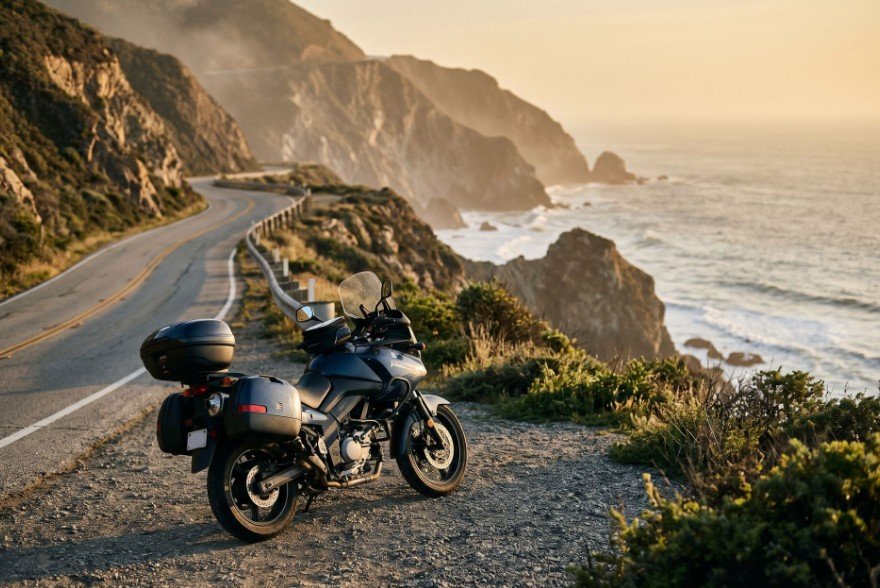
How to Plan a Scenic Motorcycle Day Trip Around Los Angeles, California
Key Takeaways
- Build your route around your available time, riding experience, and comfort level.
- Los Angeles offers coastal roads, urban waterfront rides, canyon curves, and mountain scenery within one broad region.
- Check weather, traffic, road conditions, fuel access, and closures before you leave.
- Plan breaks and a turnaround time so the ride stays enjoyable instead of rushed.
- Choose protective gear and a motorcycle that you can handle confidently at low speeds and on changing roads.
A great Los Angeles motorcycle day trip does not need to cover every famous road in Southern California. The best plan is one that leaves room for ocean overlooks, a relaxed meal, a fuel stop, and an easy return before fatigue or darkness changes the experience.
Visitors who need a ride can explore bike rentals Los Angeles CA through 2 Wheels Deluxe, whose Los Angeles service page describes motorcycle rental options for riders exploring city streets and coastal routes. Based in Long Beach, the company offers a range of rental motorcycles and local route guidance, making it a useful option for travelers planning a ride around the Los Angeles and Long Beach area.
Why Los Angeles Works Well for a Day Ride
Los Angeles gives riders several distinct environments without requiring an overnight trip. You can begin near dense city neighborhoods, follow the coast toward Malibu, turn into the Santa Monica Mountains, or head toward higher elevations near Angeles Crest. That variety makes the area suitable for a short afternoon outing as well as a longer day built around scenic stops.
Flexibility matters because local traffic, weather, events, and road work can quickly reshape a route. A visitor with only a few open hours may be happier taking a relaxed Santa Monica to Malibu loop than attempting a distant mountain road and spending most of the day watching the clock.
Choose a Route That Fits the Day
Match the Route to Available Time
For a two- to three-hour ride, keep the route simple and choose an area with frequent stops. Coastal and waterfront roads are often easier to shorten if traffic builds or plans change. For a full-day ride, add a canyon or mountain section, but include time for fuel, food, photographs, parking, and unexpected delays.
Consider Riding Skill and Comfort
Wide coastal roads and urban loops can feel more approachable for newer riders. Tight canyon curves, steep grades, limited shoulders, and changing pavement require more attention. Choose a route for the rider you are today, not the rider you hope to become after viewing dramatic social media clips.
Scenic Route Ideas Near Los Angeles
Santa Monica and Malibu Coast
This is a practical choice for ocean views, coffee stops, and an adjustable turnaround point. Begin early if possible, since beach access areas and popular intersections can become busy. Treat the ride as a flexible out-and-back route, stopping for a viewpoint, a short walk, or lunch before returning.
Mulholland Drive and the Santa Monica Mountains
Mulholland-area roads can provide broad views, rolling terrain, and winding sections close to the city. The goal here is smooth, measured riding. Enter corners at a comfortable speed, stay in your lane, and expect cyclists, pedestrians, parked vehicles, and loose material near the road edge.
Angeles Crest and Nearby Mountain Roads
Mountain routes can offer cooler air, elevation, and a stronger sense of distance from the city. They can also have fewer services and more variable conditions. Review current forest alerts before committing to a mountain plan, then check each part of the route rather than assuming an entire highway is open.
Short Urban and Waterfront Loops
A harbor, beach, or nearby neighborhood loop is a smart alternative for couples, newer riders, or travelers with a limited schedule. These rides can still include water views and food stops without the pressure of long mileage or remote roads.
Pick the Right Start Time
An early start usually offers more daylight and a calmer first section of the ride. Late morning can work for a short coastal ride, but it may place you near popular destinations at their busiest. Set a firm turnaround time before departure. If your plan includes more than one major canyon or mountain segment, start earlier than you think you need to.
Check Roads, Weather, and Traffic
- Review live closure information before departure and again during a longer stop.
- Check the forecast at your starting point, your highest elevation, and your final destination.
- Look for construction, fire restrictions, flooding, rockfall, special events, and wind advisories.
- Save an alternate route that avoids the most remote part of the ride.
- Download map areas in advance in case cell service becomes unreliable.
Choose the Right Motorcycle and Gear
A touring-oriented motorcycle may be comfortable for a longer coastal or mountain day, while a lighter bike can feel easier in city traffic and tight turns. More important than style is control. Pick a motorcycle you can confidently balance, start, stop, and maneuver at low speed.
Bring a helmet, gloves, protective jacket, long pants, sturdy footwear, water, snacks, sunglasses or clear eye protection, a phone charger, and a light wind or rain layer. A small first-aid kit and emergency contact information are sensible additions for longer rides.
Build a Simple Day-Trip Schedule
- 7:30 a.m.: Pick up or inspect the motorcycle, check controls, and confirm the route.
- 8:30 a.m.: Begin the first riding section before traffic increases.
- 10:00 a.m.: Stop for fuel, water, and a short reset.
- 11:30 a.m.: Reach a viewpoint, beach community, or planned destination.
- 12:30 p.m.: Eat, hydrate, and reassess conditions.
- 2:00 p.m.: Begin the return route or switch to the backup plan.
- Before sunset: Refuel, return the motorcycle, or arrive at your overnight stop.
Ride Safely on Canyons and Highways
Leave a generous following distance and enter every corner at a speed that gives you room to slow down. Watch for shaded pavement, gravel, wildlife, cyclists, and drivers making sudden turns. Do not let a faster rider set your pace. Scenic roads are not racetracks, and smooth, controlled riding gives you more attention for the views and the people sharing the road.
Day-Trip Checklist
- Confirm your reservation or inspect your personal motorcycle.
- Check the weather, traffic, and route conditions.
- Plan a fuel stop well before the tank runs low.
- Pack water, food, protective gear, and a charger.
- Save a primary route and one backup option.
- Share your plan and expected return time with someone you trust.
- Leave extra time for meals, photographs, traffic, and rest breaks.
Final Planning Tips
The best Los Angeles motorcycle day trip is rarely the longest one. Choose a route that fits your skill level and energy, leave time to enjoy the stops, and adjust when conditions change. A well-prepared coastal loop or mountain ride can feel far more memorable than an overloaded itinerary.