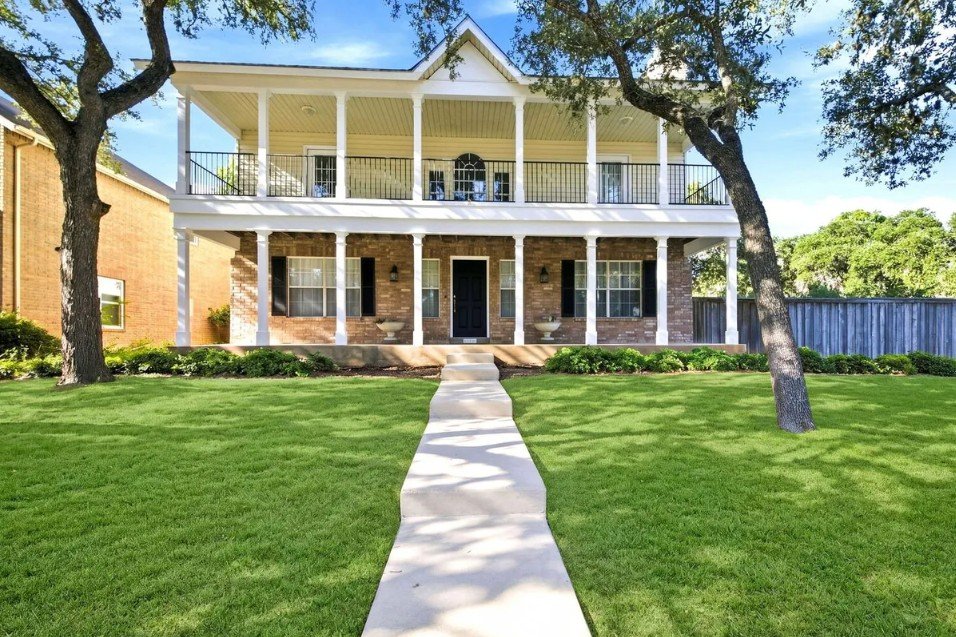
Beyond the Price Tag: Choosing the Right New Construction Home in Austin
Key Takeaways
- Compare the complete cost of each home, not just the advertised starting price.
- Review the builder, contract, warranty, lot, timeline, and included features before making a decision.
- Evaluate the Austin-area community with the same care you give the home itself.
- Use a single, consistent checklist for every property so that emotional first impressions do not control the decision.
- Plan for independent inspections and compare financing before signing final documents.
Buying a new-construction home in Austin, Texas, can feel straightforward when a model home has the right kitchen, floor plan, and curb appeal. The real comparison begins when you look past the presentation and examine the lot, upgrade list, monthly ownership costs, construction schedule, and surrounding development. Local guidance can make that process more disciplined. Austin, TX, real estate experts Darsh Advisory Group is a luxury and new construction real estate practice led by Darsh Parikh, with resources for buyers, sellers, developers, and investors. Darsh Advisory Group works across Austin neighborhoods including Westlake, Tarrytown, Downtown Austin, Barton Hills, and Zilker, making its local perspective useful when comparing a new build with established-home alternatives.
Why Comparison Matters
Two homes with similar advertised prices can have very different final costs and day-to-day value. One may sit on a premium greenbelt lot, while another faces a future construction phase. One may include appliances, landscaping, and window coverings, while another leaves those expenses to the buyer. Model homes also commonly display upgraded finishes or structural options that are not part of the base price. Take time before signing a contract. A lower initial price does not always translate to a more affordable home after accounting for lot premiums, design selections, taxes, HOA dues, insurance, and closing costs. Compare complete purchase scenarios rather than marketing packages.
Choose the Right Type of New Construction
The type of home you choose affects control, timing, financing, and resale planning.
- Production homes use established floor plans and generally offer a defined menu of selections.
- Semi-custom homes may provide more layout, finish, and structural choices.
- Custom homes offer the most personalization, but require more decisions and closer budget management.
- Quick-move-in homes are already under construction or complete, which can suit buyers with a firm move date.
- To-be-built homes offer more choice, but the completion date may be further out.
Calculate the Total Cost
Ask every builder for an itemized written estimate. Start with the base price, then add each cost that applies to that specific home:
- Homesite or lot premium
- Structural changes, such as extra bedrooms, patios, or extended garages
- Design-center selections, flooring, cabinets, counters, and fixtures
- Appliances, lighting, fencing, landscaping, and window coverings
- HOA dues, property taxes, insurance, and any applicable district charges
- Closing costs, prepaid expenses, and moving-related costs
For example, a home advertised at $600,000 may end up costing $675,000 after a lot premium, structural options, and finish upgrades. The exact numbers will differ by builder and community, which is why a written breakdown matters more than a verbal estimate.
Research the Builder and Warranty
A polished sales office is not a substitute for researching the company that will build and service the home. Visit completed communities when possible, read homeowner feedback for recurring themes, and ask how warranty requests are handled after closing. Request the full warranty before you commit, then review its coverage periods, exclusions, claim process, and responsibility for unfinished items. Also ask what happens if materials are substituted, construction is delayed, or a final walkthrough reveals incomplete work. The contract should be read carefully, ideally with advice appropriate to your circumstances.
Review the Community and Location
In Austin, the community can influence your routine as much as the square footage. Drive the route to work, school, family, and regular destinations at the times you would normally travel. Consider nearby grocery stores, medical care, parks, trail access, noise, traffic patterns, and the extent of ongoing building activity after you move in.
Questions to Ask Before Choosing a Lot
- How long will construction continue in the neighborhood?
- Who maintains amenities, shared landscaping, and private streets?
- What do HOA rules say about rentals, parking, pets, and exterior changes?
- What is planned for adjacent land, roads, commercial sites, or multifamily development?
Check zoning and property details rather than relying on a verbal description. The City of Austin’s zoning information explains how buyers can review current zoning, development regulations, and property details by address.
Match the Build Timeline to Your Move
Ask whether a home is complete, near completion, or at an early construction stage, then request the estimated completion date and the events that could affect it. Weather, materials, inspections, permits, and utility work can alter a schedule. A buyer who must sell an existing home should plan for possible overlap, temporary housing, storage, and rate-lock considerations rather than assuming every date will remain fixed.
Arrange Independent Inspections
New does not mean flawless. An independent inspector can provide another set of eyes on visible construction conditions and finish issues. Depending on the build stage and access allowed, buyers may consider:
- A pre-drywall inspection
- A final construction inspection
- An inspection before closing
- A warranty inspection after several months of ownership
Compare Financing and Incentives
Builder incentives can be valuable, but they should be compared against alternatives. A closing-cost credit, a temporary rate buydown, and a permanent rate reduction solve different financial needs. Ask whether incentives require the use of a particular lender or title company, then compare the monthly payment, cash due at closing, rate-lock terms, and total loan cost. Request comparable offers for the same loan type and terms. The Consumer Financial Protection Bureau advises homebuyers to compare multiple Loan Estimates to review mortgage costs and features side by side.
Use a Home Comparison Scorecard
After a second visit, give each home a score from one to five in the following categories:
- Total cost: Purchase price, upgrades, taxes, HOA dues, insurance, and closing costs.
- Location: Commute, nearby services, lot setting, and future development.
- Builder: Communication, completed work, warranty process, and contract clarity.
- Home design: Layout, storage, natural light, outdoor space, and future needs.
- Timeline: Construction stage, move-in target, and tolerance for delays.
Final Checklist Before You Buy
- Confirm the final purchase price and every included item in writing.
- Review HOA documents, warranty terms, and the builder contract.
- Check zoning and nearby development plans.
- Compare monthly payment estimates that include taxes, insurance, and HOA dues.
- Schedule independent inspections and document repair requests.
- Confirm the completion timeline and process for delays.
The right Austin new-construction home is the one that fits your full budget, lifestyle, timeline, and long-term plans. Slow the process down enough to compare the complete picture, ask direct questions, and choose based on evidence rather than a single memorable model-home visit.