How to Properly Maintain a Vinyl Lined Pool in St. Louis, Missouri
Key Takeaways
- Consistent maintenance extends the life of vinyl pool liners.
- Staying on top of water chemistry keeps your pool safe and prevents costly issues.
- Seasonal considerations are essential for protecting your investment in St. Louis’s climate.
Maintaining a vinyl lined pool in St. Louis, Missouri requires a diligent approach due to the area’s unique seasonal challenges. Consistent care not only keeps your pool looking great but also extends the life of your liner for years of enjoyment. For local services and specialized tips, explore vinyl lined pool maintenance St Louis MO to get professional help tailored to your region. Without proper upkeep, your pool’s liner can become damaged due to chemical imbalances, excessive debris, or neglect during seasonal transitions. St. Louis homeowners face hot summers and cold winters, both of which can put additional stress on vinyl liners and pool components. By learning the essentials of ongoing maintenance and adapting to local conditions, you can safeguard your investment while ensuring a clean, safe swimming environment.
Regular pool care involves monitoring chemical levels, cleaning out debris, and inspecting your liner for visible damage. If overlooked, small maintenance issues can turn into costly repairs. Whether you’re handling tasks yourself or coordinating with a professional, keeping a schedule and knowing what to look for are essential steps to hassle-free pool ownership. Most problems that arise in vinyl-lined pools result from skipping routine checks or ignoring regional climate impacts. Seasonal care, including opening, maintaining, and closing your pool, can prevent avoidable damage and maximize your enjoyment throughout the swimming season.
Why Is Regular Maintenance Important for Vinyl Lined Pools?
Regular maintenance ensures your pool remains clean, inviting, and structurally sound. Small issues, such as microscopic algae or a minor chemical imbalance, can quickly escalate, leading to wrinkles, tears, and leaks in your vinyl liner. Consistent upkeep also improves swimmer comfort and minimizes the need for heavy chemical adjustments or repair work, keeping your pool ready at a moment’s notice.
What Are the Essential Maintenance Practices?
Properly maintaining a vinyl pool takes a combination of vigilant care and informed decisions. The following practices are recommended for optimal results:
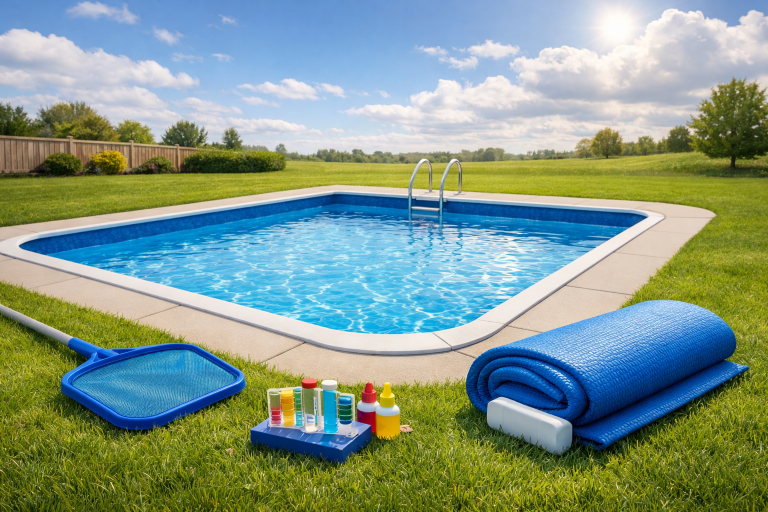
- Maintain Proper Water Balance: Check your pool’s pH, keeping it between 7.2 and 7.6. Alkalinity should fall in the 80 to 100 parts per million range, with a minimum calcium hardness of 200 parts per million. Accurate water balance defends against liner deterioration and staves off algae blooms.
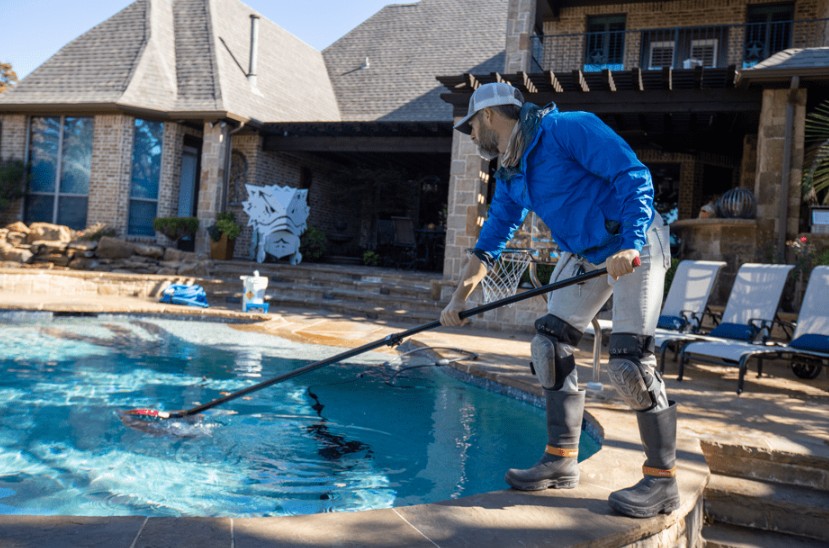
- Frequent Cleaning: Use a skimmer every day to remove leaves and insects. Weekly vacuuming and wall and pool floor brushing prevent the buildup of dirt and grime that could compromise your liner.
- Monitor Chlorine Levels: Chlorine disinfects your pool and prevents dangerous bacteria from flourishing. Free chlorine should be kept between 1.5 and 2.5 parts per million for a healthy swimming environment.
- Liner Inspections: Inspect your liner routinely for tears, fading, or stretching. Quick repairs can stop small problems from developing into costly leaks or the need for premature replacement.
How Does St. Louis’s Climate Affect Pool Maintenance?
Seasonal shifts in St. Louis create additional demands on pool owners. During summer, high temperatures increase evaporation, so water droplets and chemical levels need extra attention. Increased heat may also encourage greater algae growth, making routine cleaning and balanced chemical use even more critical.
Once winter arrives, freezing temperatures put your pool’s liner at risk if it is not properly winterized. Lowering the water level, adding winter chemicals, and covering the pool protect the vinyl from splitting or brittleness caused by ice and frigid winds.
When Should You Replace Your Vinyl Pool Liner?
Typically, a well-maintained vinyl liner will last 7 to 12 years. It’s time to consider a replacement if you see:
- Visible tears or cracks in the liner
- Fading, excessive wrinkles, or stretching
- Persistent leaks that do not respond to patching
Immediate attention to these symptoms can prevent more extensive, more expensive structural damage to the pool shell or the surrounding deck.
What Are the Costs Associated with Pool Maintenance in St. Louis?
The price for routine care depends on the pool’s dimensions and the level of service. St. Louis homeowners can expect to spend $201 to $459 per year on basic upkeep, which covers chemical supplies, minor repairs, and seasonal opening or closing. Expenses will rise if you add professional cleaning, or you may face unexpected repairs due to neglect.
Frequently Asked Questions
How Often Should I Test My Pool Water?
Testing pool water weekly is recommended to maintain balanced chemistry. During periods of heavy use or after thunderstorms, more frequent testing may be necessary.
Can I Use a Pressure Washer to Clean My Vinyl Pool Liner?
Avoid pressure washers on vinyl liners as the strong spray can tear or stretch the material. Use a soft brush and mild, liner-safe cleaner instead.
What Is the Best Way to Prevent Algae Growth?
Maintaining proper water balance, circulating the pool daily, and promptly removing debris are the best defenses against algae. If algae appear, shock treatments and scrubbing will restore clarity and hygiene.
How Do I Winterize My Vinyl Lined Pool?
Before winter, bring water chemistry into recommended balance, drain water below the skimmer, add antifreeze to plumbing lines, and use a properly fitted cover to block debris and ice. Detailed steps are available from most local pool service providers.
Is It Necessary to Hire a Professional for Pool Maintenance?
Many tasks, like cleaning and checking chemical levels, can be handled by homeowners. However, professionals bring expertise for resolving less obvious issues, conducting thorough inspections, and performing liner replacements safely.
Following a regular maintenance schedule ensures your vinyl-lined pool in St. Louis remains enjoyable and protected throughout the changing seasons.
Conclusion
Maintaining a vinyl-lined pool in St. Louis requires consistency, attention to detail, and an understanding of how seasonal changes impact your pool. By staying on top of water chemistry, performing regular cleanings, and preparing your pool for both hot summers and freezing winters, you can significantly extend your liner’s lifespan and avoid costly repairs. Whether you manage maintenance yourself or rely on professional support, a proactive approach ensures your pool remains safe, visually appealing, and ready to enjoy year after year.