Rolling into Efficiency: The Role of Casters in Today’s Workspaces
Key Takeaways:
- Casters and wheels are essential for enhancing mobility and flexibility in modern work environments.
- Advancements in caster technology improve ergonomics, reduce noise, and enhance sustainability.
- Proper selection and maintenance of casters can significantly impact workplace efficiency and safety.
Table of Contents:
- Introduction
- Enhancing Mobility and Flexibility
- Ergonomics and Worker Safety
- Noise Reduction in the Workplace
- Sustainability and Eco-Friendly Materials
- Technological Advancements in Caster Design
- Choosing the Right Casters for Your Workspace
- Conclusion
Introduction
In today’s ever-evolving workspaces, adaptability and efficiency are critical. While factors like design and digital technology often take the spotlight, an unsung hero is facilitating this fluidity: the caster wheel. Whether in corporate offices, healthcare, education, or creative studios, the simple addition of quality 4 inch caster wheels can dramatically alter the way spaces function, making daily tasks easier and enhancing workplace dynamics.
With flexible work setups becoming the norm, casters are integral to a company’s ability to pivot and innovate. From easily shifting conference tables to reconfiguring entire workstations, these small but powerful components make mobility seamless. Even in collaborative environments, the effortless movement of furniture can encourage teamwork and boost organizational efficiency. Many organizations are paying closer attention to the role of ergonomic design and smooth transitions within their facilities. Casters not only provide mobility but also enhance safety and comfort, which are crucial factors in reducing workplace injuries and improving overall productivity. The innovations in caster design now match the demands of contemporary offices and industrial spaces. Using the right caster wheels for an environment’s specific needs can be the difference between a functional workspace and an exceptional one.
Enhancing Mobility and Flexibility
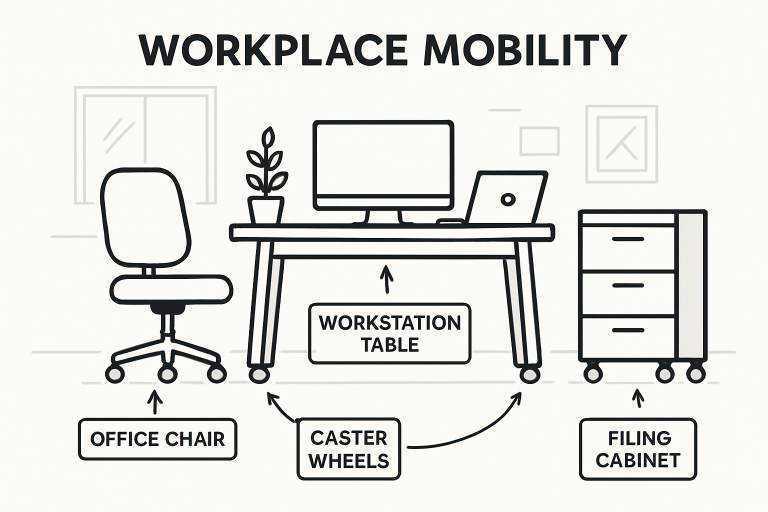
Creating adaptable workspaces is a top priority for modern businesses. Casters and wheels are at the heart of this trend, enabling rapid changes and supporting multipurpose room usage. Companies are implementing creative solutions, such as movable partitions and rolling green walls, to tailor privacy and collaboration as needed. This flexibility is vital for businesses looking to balance focus and teamwork in shared environments. Mobile workstations, modular meeting zones, and adjustable layouts depend on reliable casters to make transitions effortless and frequent. This ability not only maximizes office space utilization but also helps organizations respond quickly to project demands or changes in team size, thereby further driving productivity and employee satisfaction.
Ergonomics and Worker Safety
The physical health and comfort of employees are deeply influenced by workplace design. Integrating casters allows for smooth movement of equipment and furniture, drastically reducing the risk of injury from lifting or carrying heavy items. In high-stakes environments like hospitals, healthcare staff depend on the ease and reliability of casters for medical carts so they can focus on patient care rather than logistics. Insights emphasize that ergonomic solutions, such as high-quality casters, are foundational to safe and efficient operations. Ergonomically designed caster wheels also contribute to a more inclusive workplace, empowering employees of varying physical abilities to perform daily tasks with greater autonomy and less strain.
Noise Reduction in the Workplace
As open-plan offices and communal work areas become more prevalent, managing environmental noise is increasingly important. Innovative casters, such as the CasterShoX wheel, are engineered to minimize noise, reducing rolling sound by up to 64{aeae7dae4cbfdfd230d63e95fbadf7fcdc4682d021b655383b9ee26cf8b6b43c} compared to standard alternatives, according to PR Newswire. Lower noise levels support better concentration, communication, and overall employee well-being. Beyond open offices, quieter caster solutions are essential in environments such as libraries, hospitals, and educational institutions, where a peaceful atmosphere is critical.
Sustainability and Eco-Friendly Materials
Environmental responsibility is shaping purchasing decisions across industries, including the caster and wheel sector. Manufacturers are innovating with recycled components and eco-conscious polymers, such as polylactic acid (PLA), derived from renewable resources. Caster lines featuring these materials meet sustainability standards while maintaining strength and durability. The demand for green alternatives is rising, enabling organizations to align mobility solutions with broader environmental goals.
Technological Advancements in Caster Design
Modern caster design goes far beyond basic wheels. Today’s high-performance casters feature precision bearings, advanced polymers, and even integrated sensor technology. These elements work together to deliver smoother, longer-lasting movement and enable smart monitoring. Some systems can detect load imbalances or excessive wear, alerting facility managers to timely maintenance and minimizing costly downtime. On a broader scale, these innovations are fueling productivity across logistics, healthcare, and manufacturing, and their impacts are chronicled in developments showcasing the far-reaching effects of smart mobility solutions.
Choosing the Right Casters for Your Workspace
Not all casters are created equal, and thoughtful selection is crucial for workplace efficiency. Key considerations should include the type of flooring, expected load, frequency of movement, and the specific use case. For environments featuring a mix of carpet, tile, and hardwood, hybrid caster wheels adapt smoothly without damaging surfaces or hindering performance. This attention to detail ensures not only the safety of employees but also the longevity of furniture and floors. Routine inspection, cleaning, and maintenance of casters are equally important. Well-maintained wheels prevent workplace accidents, improve air quality by limiting dust, and ensure consistent performance over time.
Conclusion
Casters and wheels are powerful tools for creating more mobile, ergonomic, and sustainable workspaces. By supporting flexible configurations, reducing workplace injuries, dampening noise, and addressing environmental challenges, they are transforming how businesses operate and innovate. The key to success lies in meticulous selection and regular upkeep, ensuring that these seemingly small components deliver substantial value and shape the future of modern work environments.