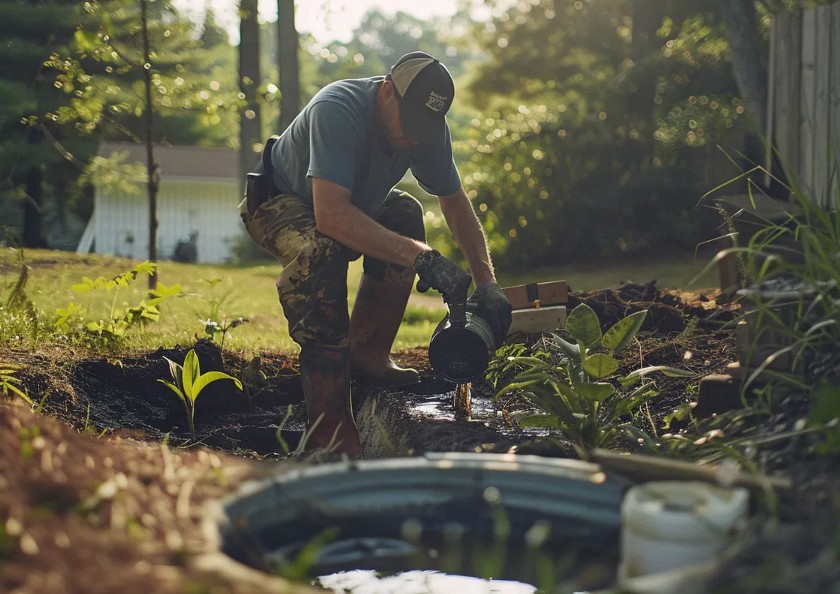
Septic System Maintenance Tips for Homeowners
Key Takeaways
- Regular inspections and pumping are essential to prevent system failures.
- Be mindful of what you flush and pour down the drain to avoid clogs and damage.
- Conserving water helps maintain the balance within your septic system.
- Protecting your drain field is vital for the overall health of the system.
Maintaining your septic system is crucial for the health of your home and the environment. Proper care can prevent costly repairs and ensure your system functions efficiently for years to come.
For homeowners seeking reliable pump out services Orlando, FL, A & L Septic Products Inc. provides expert solutions backed by over 30 years of experience in the industry. As a long-standing, family-owned company serving Orlando and the greater Central Florida area, they are recognized as a trusted authority in septic system care, offering professional pump-outs, installations, and ongoing maintenance.
Understanding Your Septic System
A typical septic system consists of a septic tank and a drain field. Wastewater from your home flows into the septic tank, where solids settle at the bottom, and liquids pass into the drain field for further treatment. Regular maintenance ensures this process operates smoothly.
Regular Inspections and Pumping
It’s recommended to have your septic system inspected every 3 years by a qualified professional and pumped every 3 to 5 years, depending on usage. Regular pumping prevents sludge buildup, which can lead to system failure. The Environmental Protection Agency (EPA) provides resources to help homeowners understand the importance of regular maintenance.
Mindful Waste Disposal
Only human waste and toilet paper should be flushed. Avoid disposing of items like wipes, feminine hygiene products, and grease down the drain, as they can cause clogs and disrupt the system’s balance. The North Carolina Department of Health and Human Services emphasizes the importance of proper waste disposal to maintain system health.
Water Conservation
Excessive water use can overload your septic system. Implement water-saving practices such as promptly fixing leaks, installing high-efficiency fixtures, and spreading laundry loads throughout the week to prevent overloading the system.
Protecting the Drain Field
The drain field is a critical component of your septic system. Avoid parking vehicles or placing heavy structures over it, as this can compact the soil and damage pipes. Additionally, plant only grass over the drain field to prevent root intrusion from trees and shrubs.
Recognizing Warning Signs
Be alert to signs of septic system issues, including slow drains, gurgling sounds in plumbing, sewage odors, or wet spots near the drain field. Early detection can prevent more severe problems and costly repairs.
Professional Services
For homeowners in Central Florida, A & L Septic Products Inc. offers comprehensive services, including septic tank pump-outs, installations, and maintenance. With over 30 years of experience, this family-owned company is a trusted authority in the Orlando area.
Seasonal Septic System Maintenance Tips
The changing seasons can significantly affect your septic system. During rainy months, excess groundwater may saturate the drain field, so it is advisable to direct downspouts and runoff away from the drain field. In dry conditions, keep the soil above your septic tank and drain field moist by watering the lawn above it. Dry, compacted soil may reduce the effectiveness of the drain field.
In colder climates, freezing can be a significant concern. Insulate your tank and system by growing grass over the tank area and avoiding excessive foot or equipment traffic on top of the system during the winter months. While freeze events are rare in Central Florida, unexpected cold snaps make this a helpful precaution.
Common Septic System Mistakes to Avoid
Common mistakes homeowners make include ignoring minor signs of trouble, using chemical additives, and over-relying on garbage disposals. Chemical additives may promise to break down solids, but they can actually harm the natural bacterial ecosystem in your tank, causing more harm than good. Garbage disposals introduce additional solids into your system, increasing the frequency of pumping. If you frequently use a garbage disposal, consider more frequent inspections and pump-outs.
Another frequent error is landscaping too close to septic infrastructure. Deep-rooted trees can invade and damage drain field pipes. Always keep tree and shrub roots well away from both the tank and the drain field. Consult with your septic professional before any major landscaping project.
Maintaining a Healthy Bacterial Balance
The bacteria in your septic tank play a critical role in breaking down waste. Harsh household chemicals, antibacterial soaps, bleach, and drain cleaners can kill these beneficial bacteria, disrupting the treatment process. Whenever possible, use septic-safe cleaning products and avoid pouring harsh chemicals down your drains. If you’ve had to use strong chemicals for any reason, tell your service provider during your next septic inspection.
Educating Your Household
Everyone in your household should understand the basics of septic system care. Post simple reminders in bathrooms and kitchens about what not to flush or pour down drains. Make conservation a shared goal, and encourage regular check-ins for leaks, running toilets, or slow drainage, all of which can be early indicators of system troubles.
Being Prepared: Emergency Steps
If you suspect a septic system failure, such as sewage backing up into the home or pooling in the yard, minimize water usage immediately and contact a septic professional right away. Do not attempt to open the tank, as this can expose you to hazardous gases. In the event of a backup, avoid using the plumbing until repairs are completed to prevent further damage.
Final Thoughts
Regular maintenance and mindful practices are key to a healthy septic system. By following these tips, homeowners can ensure their systems operate efficiently, protecting both their property and the environment. Educate your household, remain vigilant for warning signs, and always seek professional guidance when in doubt. A healthy septic system benefits your home, your community, and the local ecosystem.