Maximizing Security and Savings: The Benefits of Cellular Alarm Monitoring
Key Takeaways
- Cellular alarm monitoring provides major cost savings when compared to traditional landline systems.
- The reliability and security features of cellular monitoring far exceed those of outdated landline connections.
- Cellular systems offer quick, minimally invasive installation that can be implemented almost anywhere.
- Meeting modern insurance requirements is easier with cellular monitoring, which can also lead to discounts on premiums.
Table of Contents
- Why Switch to Cellular Alarm Monitoring?
- Cost Savings with Cellular Monitoring
- Enhanced Reliability and Security
- Quick and Easy Installation
- Compliance with Insurance Requirements
- Frequently Asked Questions
- Conclusion
Why Switch to Cellular Alarm Monitoring?
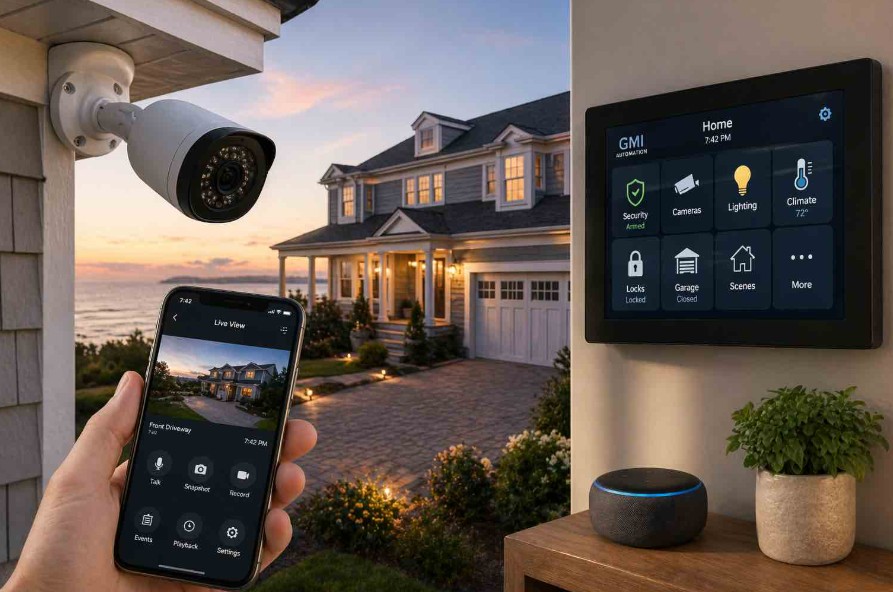
Protecting homes and businesses has never been more important. As technology evolves, it is essential to choose an alarm monitoring system that adapts to modern security needs. With the ongoing phase-out of copper landline telephone networks, traditional alarm systems are rapidly becoming outdated. This shift to new technologies makes cellular alarm monitoring a preferred solution for property owners seeking consistent protection without relying on aging infrastructure. Cellular alarm monitoring uses wireless networks to transmit alarm signals, eliminating the vulnerabilities of landline connections. By moving away from landlines, you avoid service disruptions, reduce security risks, and gain peace of mind knowing your system will continue to function even during emergencies or outages. Modern cellular alarm systems are also more flexible, supporting smart device integration and remote management. This advancement gives property owners increased control and real-time information about the safety of their premises, ensuring fast response times if an intrusion or emergency is detected.
A significant motivation for switching to cellular alarm monitoring lies in its cost efficiency. Landline-based monitoring typically requires maintaining at least 2 dedicated phone lines, each costing $40 to $60 per month in addition to basic service fees. On top of that, traditional monitoring fees range from $35 to $60 a month, resulting in expenses that can easily exceed $150 a month when everything is tallied. In contrast, cellular monitoring systems drastically reduce or even eliminate the need for these costly landline connections. Because the system uses existing cellular networks, you are not burdened with additional telecommunications charges, leading to potential monthly savings of over 50 percent compared to conventional systems. The long-term savings of this approach are considerable, especially for organizations or households with multiple monitored locations.
Enhanced Reliability and Security
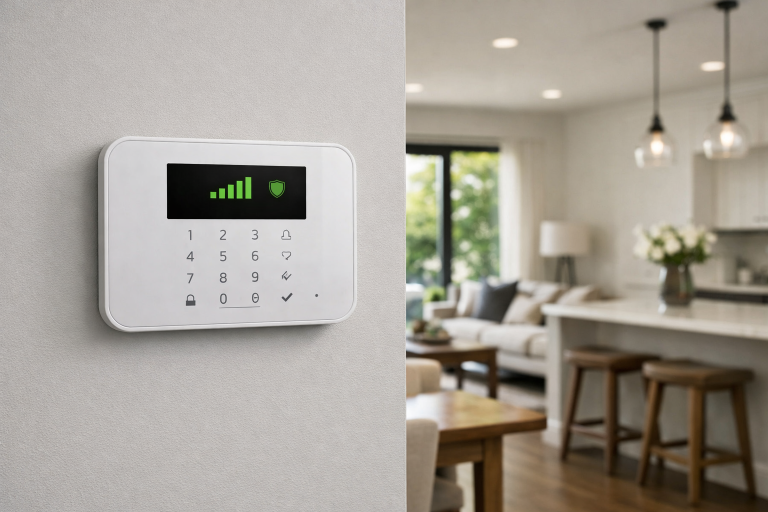
Reliability is one of the most critical aspects of any alarm monitoring service. Traditional systems that rely on wired phone lines are susceptible to disruptions and tampering. For instance, physical lines can be easily cut, whether intentionally or due to natural causes such as storms or accidents, which immediately turns off the alarm system. Cellular alarm systems, by design, are immune to these flaws since they transmit data wirelessly. Without wires for intruders to tamper with, your security solution remains operational. These systems typically include battery backup to provide continuous protection during power outages, delivering another layer of reliability. Cellular monitoring systems also use encrypted signals, making interception or hacking extremely challenging. Their wireless technology stays current with evolving security standards, offering you up-to-date protection as threats emerge.
Quick and Easy Installation
Another notable benefit of cellular alarm monitoring is the ease and speed of installation. Traditional systems usually require significant wiring and substantial changes to a building’s infrastructure, which can be invasive and time-consuming, especially in properties that are already built or occupied. Cellular systems are wire-free and can be installed almost anywhere, speeding up the installation process and preserving the building’s integrity. This makes them a suitable choice for both older properties and new constructions, as well as for businesses that need to avoid operational downtime during setup. The ability to relocate or expand a cellular security system with minimal effort further enhances its appeal. It is much easier to scale protection as needs change, ensuring ongoing convenience and adaptability.
Compliance with Insurance Requirements
Insurance providers often require that properties use recognized, reliable alarm-monitoring solutions to qualify for coverage or receive reduced premiums. Cellular alarm monitoring not only meets but often exceeds modern insurance standards, ensuring systems are continuously monitored via secure, dependable communication channels. By meeting these requirements, property owners and managers can often receive substantial discounts on their insurance premiums, which may cover or offset the cost of the monitoring service. Staying compliant also simplifies renewals and claims, thanks to the enhanced security and documentation that cellular monitoring provides.
Frequently Asked Questions
Is cellular alarm monitoring more expensive than landline monitoring?
Although the initial investment for a cellular system may be higher, the ongoing savings from not needing landline service and the lower monthly monitoring rates typically make cellular solutions more affordable over time.
Can cellular alarm systems be hacked?
Cellular alarm systems employ encrypted communication channels, making it extremely difficult for unauthorized parties to intercept or alter the signals. This level of security generally makes cellular monitoring safer than traditional wired alternatives.
What happens if the cellular network goes down?
Most modern cellular alarm monitoring systems are equipped with fail-safes such as battery backups and alternate communication paths. Temporary service interruptions are rare, but these designs ensure the system continues to function even during network disruptions.
Conclusion
Switching to cellular alarm monitoring is a smart investment for homeowners and businesses seeking reliable, modern security. Compared to outdated landline systems, cellular monitoring offers greater reliability, stronger tamper protection, lower long-term costs, and faster installation with minimal disruption. These systems also help meet modern insurance requirements, potentially reducing monthly premiums while improving overall safety. As traditional phone lines continue to phase out, cellular alarm monitoring provides a future-ready solution that delivers peace of mind, flexibility, and dependable protection for any property.