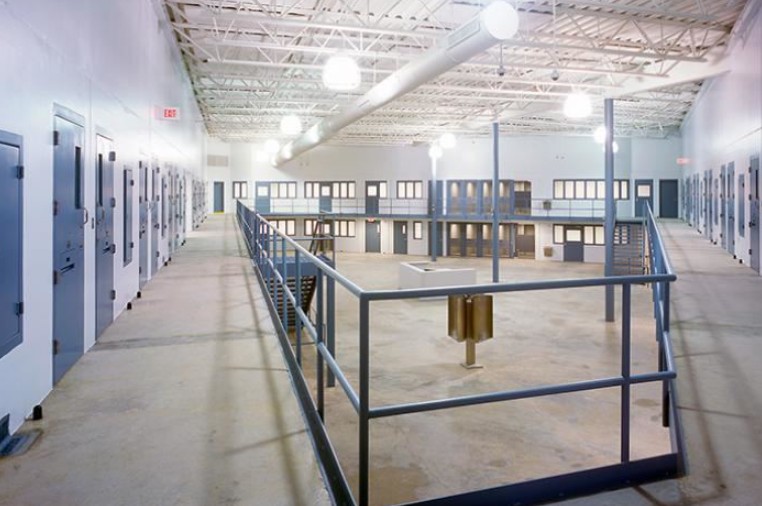
Life at Herlong Federal Prison Camp
The journey through the federal prison system is often defined by a stark transition from the chaos of the outside world to a highly regulated, desert-quiet existence. For many, this journey leads to Herlong Federal Prison Camp (FPC Herlong), a minimum-security satellite camp tucked away in the high-desert landscape of Lassen County, California.1 Rebuilding a life after such an experience requires more than just time; it requires a mastery of the tools available within the wire—like TRULINCS and FBOP Moneygram—and a mental fortitude to endure the monotonous reality of Prison food while planning for a second chance.
Life at Herlong Federal Prison Camp
Located approximately 60 miles northwest of Reno, Nevada, FPC Herlong is often described by its climate: searing heat in the summer and bone-chilling winds in the winter.2 As a minimum-security camp, it lacks the high fences and razor wire of the adjacent medium-security Federal Correctional Institution (FCI). The “campers” here are generally non-violent offenders nearing the end of their sentences.
Life at Herlong is structured around work details and personal development.3 Some inmates participate in unique programs like the Sagebrush in Prisons Project, where they grow thousands of native plants to restore habitats for the sage-grouse.4 While the lack of physical barriers suggests freedom, the psychological weight of incarceration remains. The isolation of the high desert serves as a constant reminder that while the “fences” may be invisible, the distance from family is very real.
The Reality of Prison Food
One of the most immediate shocks to the system is the diet. The Federal Bureau of Prisons (BOP) follows a national menu, but the execution at the local level varies.
- The Chow Hall: A typical day might start with hot oatmeal or “breakfast cake,” followed by a lunch of chicken patties or tacos, and a dinner of Salisbury steak or pasta. While nutritionally sufficient, the quality is often criticized for being bland and highly processed.
- The “Hustle” and the Commissary: Because chow hall food is often uninspired, the “commissary” becomes the center of life. Inmates use their funds to buy tuna pouches, mackerel, rice, and tortillas.
- Creative Cooking: In the camp environment, “spreads” are a cultural staple. Inmates combine commissary items—crushing spicy chips to use as breading or mixing peanut butter and cocoa for a makeshift dessert—to create meals that taste like home.
Staying Connected: TRULINCS and FBOP MoneyGram
Maintaining a bridge to the outside world is the single most important factor in preventing recidivism. This bridge is built on two primary systems: Trulincs and FBOP MoneyGram.
TRULINCS: The Digital Lifeline
The Trust Fund Limited Inmate Computer System (TRULINCS) is the BOP’s secure communication portal. It does not provide open internet access; instead, it allows inmates to:
- Send/Receive Emails: Inmates can message approved contacts for a per-minute fee.
- Check Balances: Inmates monitor their “Trust Fund” to see how much money they have for commissary.
- Print Documents: Crucial for legal work or preparing a resume for release.
- Music and Media: Inmates can purchase songs to listen to on authorized MP3 players.
FBOP MoneyGram: Funding the Journey
To afford the “luxury” of an extra bag of rice or a 5-minute email to a spouse, inmates rely on family support via FBOP MoneyGram. Using Receive Code 7932, family members can send funds directly to an inmate’s account.5 This system is vital; without it, an inmate is “indigent,” relying solely on the meager wages (often pennies per hour) earned from prison work assignments.
Rebuilding My Life After Federal Prison Camp
The true challenge begins the moment the gate opens. Rebuilding my life after federal prison camp is not a single event, but a series of calculated steps toward “reentry.”
1. The Halfway House (RRC)
Most inmates from Herlong will transition to a Residential Reentry Center (RRC). This serves as a “buffer zone” where they can begin searching for employment, obtaining a driver’s license, and re-learning how to navigate a world that has likely moved on to new technologies.
2. Financial and Digital Literacy
Coming out of a system where MoneyGram was the only way to get paid and TRULINCS was the only “email,” the modern digital economy can be overwhelming. Rebuilding requires setting up a real bank account, establishing credit, and learning to use modern smartphones and workplace software.
3. Professional Pivot
Employment is the cornerstone of a successful life. Many former inmates focus on industries known for “second-chance” hiring, such as logistics, construction, or starting their own businesses. The discipline learned in the camp—waking up at 5:00 AM for a work detail—often translates well into the entrepreneurial world.
4. Healing Relationships
The “missing time” is the hardest part to recover. Success isn’t just about a paycheck; it’s about showing up for the birthdays, dinners, and quiet moments that were traded for a prison bunk.
Pro-Tip for Reentry: Focus on “The First 72.” The first three days after release are the most critical for establishing a support network and avoiding old habits.
Conclusion
Herlong Federal Prison Camp, California is a place of paradox—a “camp” that is still a prison, a desert that can feel like a vacuum, and a community of people waiting for their lives to restart. By utilizing tools like TRULINCS to stay connected and managing resources sent via MoneyGram, an inmate can survive the monotony of prison food and the isolation of the desert. However, the real work starts at release. Rebuilding a life is an act of defiance against one’s past, proving that a registration number does not define a human being’s future.