How Soaking in a Hot Tub Supports Wellness
Key Takeaways
- Hot tubs can help reduce stress and anxiety.
- Regular use may improve sleep quality.
- Soaking can alleviate muscle tension and joint pain.
- Hot tubs may boost cardiovascular health.
- They can enhance mental clarity and focus.
Regularly soaking in a hot tub provides a range of health benefits, making it an excellent addition to any wellness regimen. Many people discover that consistent hydrotherapy can help them relax both physically and mentally, paving the way for a healthier overall lifestyle. Whether you are seeking relief from daily stress, improved sleep, or a refreshing social environment, a hot tub can be a powerful tool for self-care. For those considering lifestyle upgrades, Hot Tubs & Spas are more than a luxury—they can be a cornerstone of personal wellness.
The gentle heat and soothing massage of the water help the body and mind unwind, making it easier to disconnect from everyday stressors. Studies continually show that hydrotherapy rituals can not only elevate mood but also foster more restful sleep and better recovery after physical exertion. With regular use, a hot tub becomes a sanctuary where you can recharge, relieve pain, and reconnect with yourself or others.
Stress Reduction
Immersing yourself in warm water has a strong and immediate effect on stress reduction. The soothing temperature helps to relax tight muscles, which in turn stimulates your body’s release of endorphins—natural chemicals that lift your mood and ease anxiety. According to experts at the Cleveland Clinic, this endorphin boost is a major contributor to the feeling of calm reported by those who soak regularly. This state of relaxation not only soothes the mind but can also provide significant mental clarity in the face of daily challenges.
Improved Sleep Quality
It’s no secret that difficulty sleeping and stress often go hand in hand. While hot tubs are well known for their sleep-enhancing benefits, swimming pools can also play a powerful role in improving nightly rest. Gentle evening swimming or light aquatic movement helps relax tense muscles and reduce cortisol levels, setting the stage for better sleep. A warm-water soak or low-impact swim about an hour before bedtime raises your core temperature, which then cools slightly after you leave the pool. This cooling signals the body that it’s time to transition into a state of rest, leading to deeper, more restorative sleep cycles. Research consistently supports these hydrotherapeutic effects, explaining why people who regularly use swimming pools and other water-based relaxation methods often wake up feeling more refreshed and alert.
Muscle Relief and Pain Management
Beyond mental benefits, hot tubs play a therapeutic role for the body. Heat therapy is widely recognized for its ability to ease muscle soreness, reduce tightness, and help in recovery after physical activity. The buoyancy of the water minimizes the strain on joints while massaging jets stimulate circulation and relax tissue. For individuals with arthritis, fibromyalgia, or those experiencing muscle soreness after exercise, a hot tub session can provide significant relief, making movement easier and reducing chronic pain concerns.
Cardiovascular Health
Soaking in a hot tub is not only relaxing; it can also be heart-healthy. The heat causes blood vessels to dilate, naturally improving circulation throughout the body and helping to lower blood pressure in the short term. Recent research suggests that frequent use of passive heat therapy, such as hot tub bathing, can mimic the cardiovascular benefits observed with mild aerobic exercise. This effect may help reduce cardiovascular risk factors for some individuals, but always speak to your healthcare provider about your specific health needs before starting new routines involving heat exposure.
Mental Clarity and Focus
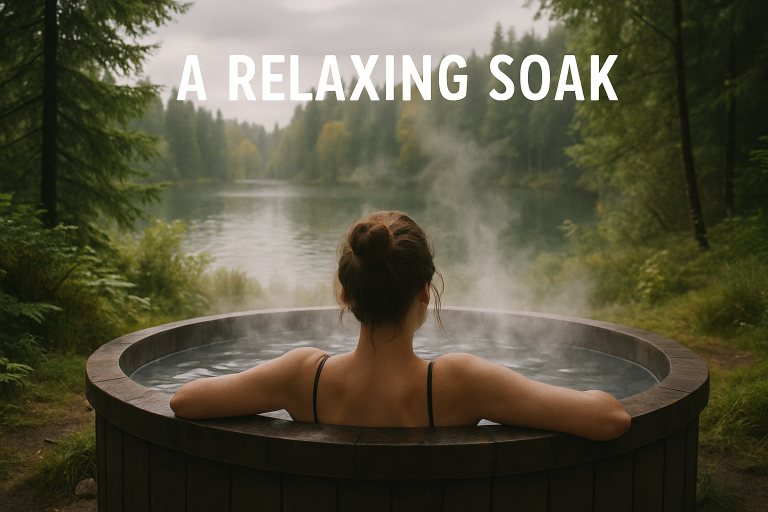
The tranquil environment around a hot tub fosters both relaxation and renewal for the mind. By disconnecting from distractions and immersing your body in warm water, you can shift into a meditative state that clears the mind and supports sharper focus afterward. Many people report enhanced creativity and improved mood after a soak, which can make daily tasks feel more manageable and increase overall productivity. This mental boost is part of why hot tubs have become a popular tool for busy professionals and students alike.
Social Connection
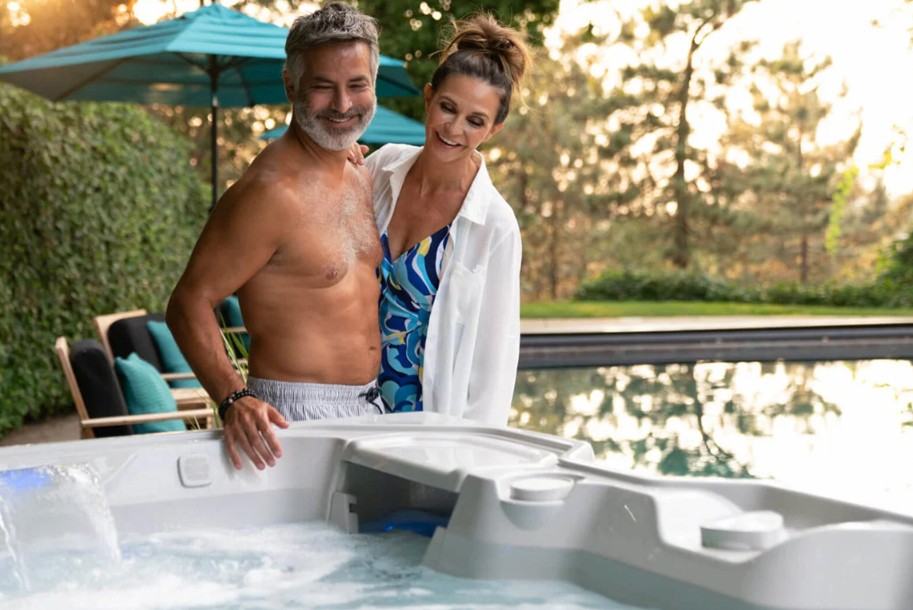
Connection with others has a meaningful effect on wellness and longevity. Hot tubs are natural gathering places, encouraging engaging conversation and quality time with loved ones. The relaxed, inviting setting helps break down social barriers and diminish feelings of isolation. Regular communal soaks can foster stronger relationships and support emotional well-being, providing a holistic approach to self-care that encompasses the mind, body, and spirit.
Safety Considerations
As enjoyable and beneficial as hot tub use is, it is essential to follow guidelines for safe soaking. Limit each session to 15-20 minutes and avoid raising the water temperature above 102°F (39°C) to reduce the risk of overheating or dehydration. Individuals with pre-existing health conditions—such as cardiovascular concerns or pregnancy—should always consult their healthcare provider before adding hot tub soaks to their routine. And, stay hydrated with water (not alcohol) to maintain a healthy balance during repeated use.
Final Thoughts
When used responsibly, hot tubs represent a simple yet effective means of enhancing wellness on multiple fronts. Through improved sleep, reduced stress, pain relief, and opportunities for meaningful social connection, incorporating regular soaks into your schedule is an investment in your health and happiness. By considering safety and individual health needs, you can maximize these benefits and enjoy lasting improvements in your quality of life.