The Threads of Heritage: From the Roots of Africa to Modern Celebrations
Fashion has never been just about fabric; it is a visual language that narrates our history, values, and aspirations. Today, the global wardrobe is undergoing a beautiful transformation as people look back to ancestral roots to define their modern style. Whether it’s the bold geometry of an African shirt, the regal silhouette of an African hat, or the rhythmic patterns found in barbados clothing, these garments are more than seasonal trends—they are artifacts of identity.
As we explore the intersection of tradition and contemporary comfort, we see how cultural pride manifests in everything from high-fashion juneteenth shirts to the cozy sanctuary of a sherpa blanket adorned with tribal motifs.
The Power of the Pattern: The African Shirt
The African shirt is perhaps the most versatile ambassador of continental heritage. From the intricately embroidered Dashiki to the structured brilliance of Kente and Ankara prints, these shirts carry meanings that date back centuries.
Historically, the patterns used in these garments were never accidental. For instance, Adinkra symbols from Ghana represent concepts like “strength,” “unity,” or “perseverance.” When you wear a modern African-inspired shirt today, you aren’t just wearing a pop of color; you are wearing a philosophy.
In the modern fashion landscape, these shirts have migrated from ceremonial wear to everyday essentials. They pair as easily with tailored trousers for a gala as they do with denim for a weekend brunch. The global appreciation for these designs has allowed artisans across the continent to share their craftsmanship with the world, ensuring that the “Orange Economy” (the creative economy) continues to thrive.
Crowning the Look: The African Hat
No traditional ensemble is truly complete without the right headwear. The African hat serves as the literal crown of an outfit. Depending on the region, the style and structure vary significantly:
- The Kufi: A brimless, short, rounded cap worn throughout Africa and the Diaspora. It represents seniority and religious or cultural respect.
- The Fila: A soft, hand-woven cap from the Yoruba people of Nigeria, designed to be tilted to one side to show flair and personality.
- The Fez or Tarboosh: Often seen in North Africa, signaling a blend of Mediterranean and African influences.
Choosing the right hat is about more than aesthetics; it’s about posture. These pieces demand that the wearer carry themselves with dignity, bridging the gap between the ancestors who wore them first and the modern generation keeping the flame alive.
Island Elegance: Barbados Clothing

While the roots are firmly planted in the African soil, the branches of heritage reach across the Atlantic. Barbados clothing represents a unique fusion of West African traditions and Caribbean sensibilities. Influenced by the tropical climate and a history of resilience, Bajan style is characterized by breathable fabrics, vibrant hues, and a relaxed yet sophisticated silhouette.
Traditional Caribbean dress often features “Crop Over” aesthetics—bright, feathered, and beaded—but everyday Barbados fashion leans into lightweight linens and bright batiks. It’s a style that prioritizes movement and comfort, reflecting the rhythmic soul of the islands. For many in the Diaspora, wearing clothing from Barbados is a way to celebrate the “middle passage” of culture—how traditions were preserved, adapted, and beautified in the New World.
Wearing History: Juneteenth Shirts
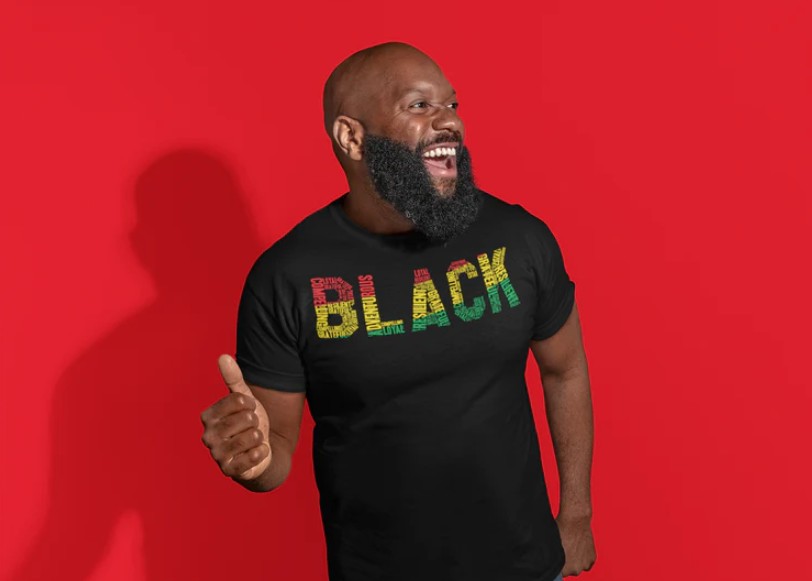
If the African shirt represents the root and Barbados clothing represents the journey, then juneteenth shirts represent the triumph. Juneteenth (June 19th) marks the effective end of slavery in the United States, and in recent years, it has become a cornerstone of Black expression and American history.
Fashion plays a massive role in this celebration. These shirts often feature:
- The Pan-African Colors: Red, black, and green.
- The Juneteenth Flag: With its bursting star and horizon line, symbolizing a new beginning.
- Powerful Typography: Phrases like “Free-ish since 1865” or “Educated, Empowered, Emancipated.”
Wearing a Juneteenth shirt is a political and social statement. It is an act of “reclamation fashion,” where history that was once suppressed is now worn proudly on one’s chest. It’s a way to turn a day of remembrance into a visual movement of solidarity.
The Comfort of Culture: The Sherpa Blanket
Even our home decor has become a canvas for cultural storytelling. After a day of celebrating at a parade or attending a community event, there is a deep need for comfort. This is where the sherpa blanket enters the narrative.
While “Sherpa” refers to the soft, fleece-like polyester fabric designed to mimic the wool of the Himalayan Sherpa people’s clothing, the modern version often features stunning African or Caribbean prints on the outer layer. Imagine a blanket with the warmth of a heavy winter coat, but adorned with the vibrant “Tree of Life” or Mudcloth patterns from Mali.
These blankets serve a dual purpose:
- Physical Warmth: The high-pile backing provides incredible insulation for cold nights.
- Visual Warmth: The rich colors and geometric patterns turn a functional item into a piece of art that anchors a living room in heritage.
It’s the ultimate expression of modern living—taking the most advanced comfort technology and marrying it with the timeless beauty of traditional design.
A Unified Aesthetic
When we look at these items together—the African shirt, the African hat, barbados clothing, and juneteenth shirts—we see a thread of continuity. We see a global community that refuses to let its history fade. Even the simple act of wrapping yourself in a patterned sherpa blanket is an acknowledgment that your home is a sanctuary for your culture.
Fashion is our most immediate way of telling the world who we are without saying a word. By incorporating these pieces into our wardrobes and homes, we honor the craftsmen of the past while building a stylish, conscious future.
“To wear your culture is to carry your history with grace, and to share your story with pride.”
Whether you are dressing for a major milestone like Juneteenth or simply looking for a way to bring a bit of island sunshine into your daily life through Bajan-inspired wear, remember that every stitch tells a story.